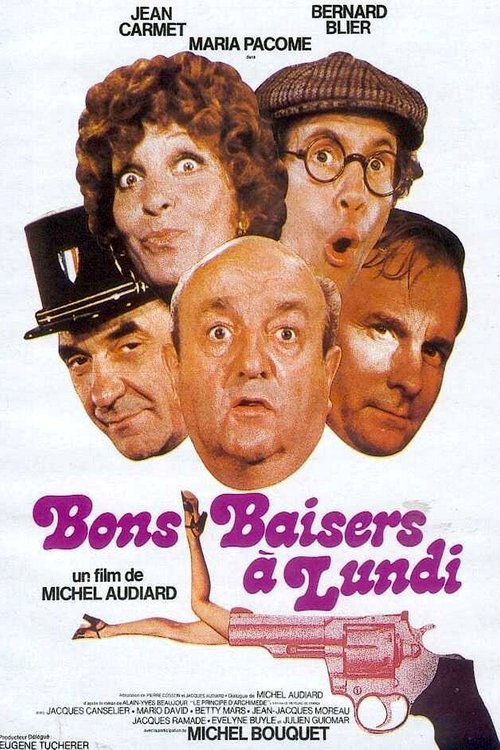
Kisses Till Monday
1974
No user ratings available yet
Representation score: 4.3 out of 10
Representation Score
Limited
1975
Director
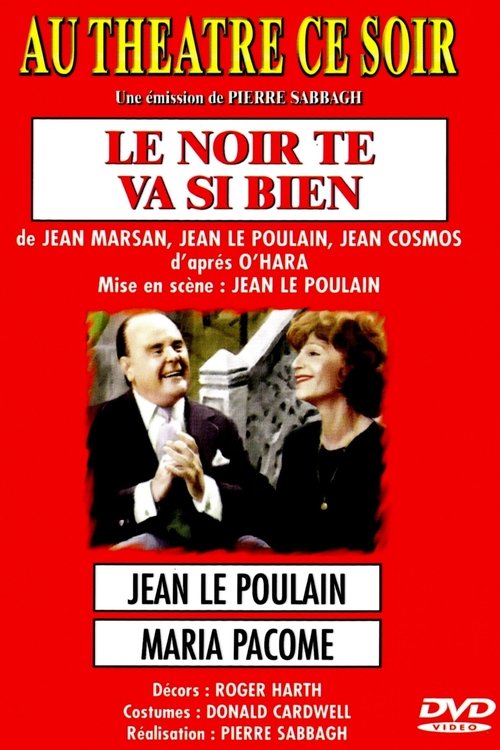
Pierre Sabbagh
Runtime
0 minutes
Average Rating
No ratings yetNew Showbiz Analysis
Pierre Sabbagh’s direction follows the traditional broadcast standards of the mid-1970s. The film serves as a period-specific French comedy that adheres to the social hierarchies of its time. Without specific character arcs or thematic descriptions, the film lacks documented complexity in representing multiple aspects of identity. It follows a standard comedic structure without offering significant narrative disruption. The production reflects the Eurocentric and straight-centered norms common to mid-century European cinema, showing little evidence of diverse or subversive representation.
Category Breakdown
The film does not show any evidence of LGBTQ+ characters taking significant roles or challenging traditional heterosexual norms. It seems to follow the conventions of 1970s European comedy.
The cast includes several prominent women like Maria Pacôme and Lucie Dolène, but their roles may reinforce traditional gender roles associated with domestic life. There is no indication of challenging gender hierarchies.
The cast is predominantly white and reflects a Eurocentric perspective. There is no mention of characters from diverse ethnic backgrounds.
The film operates within a Western cultural context typical of 1970s France. It does not disrupt secular or capitalist norms.
There is no information about characters with physical or cognitive differences.
Present on Screen
Limited or Absent
1974

1979
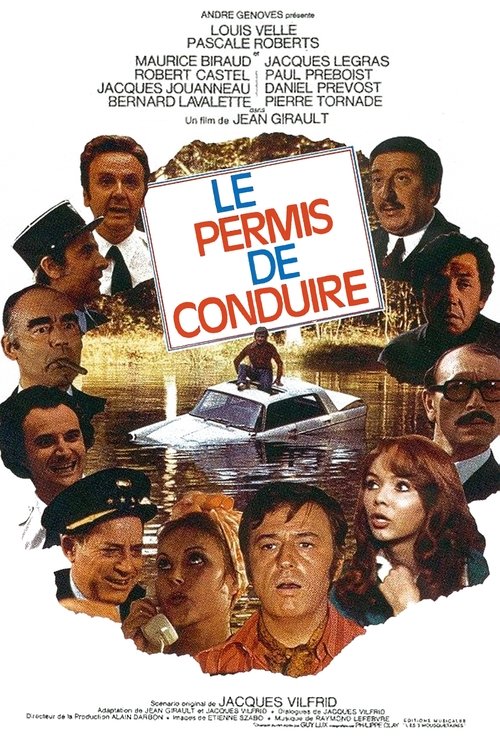
1974

1959
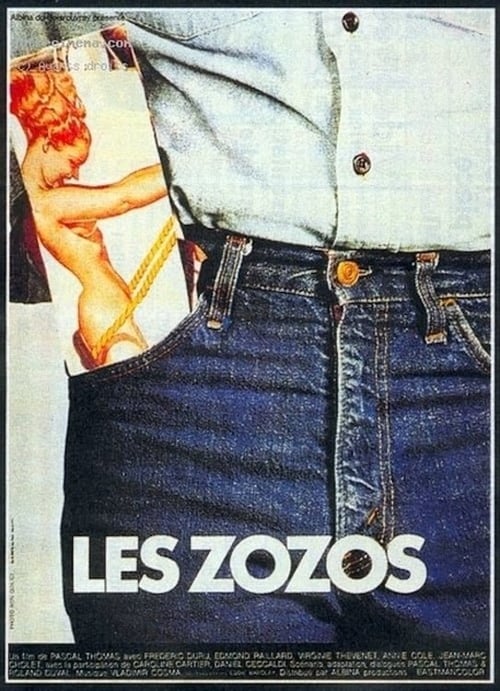
1973
1982
1974
1992
No reviews yet. Be the first to share your thoughts on this movie!
Use the rating form above to leave a star rating and optional review.