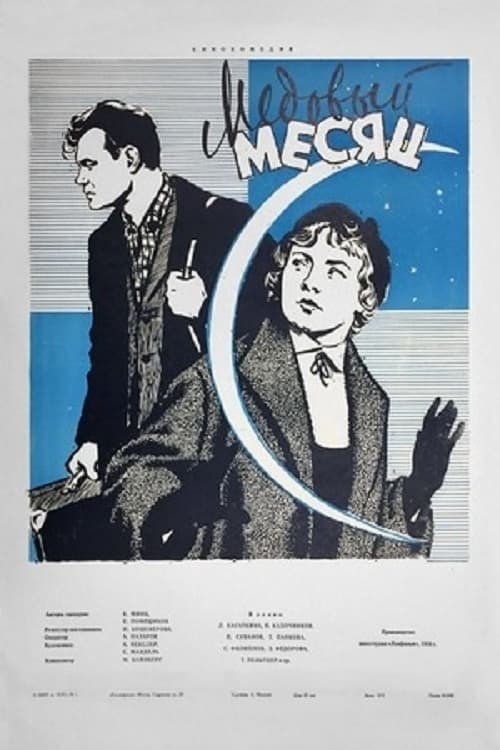
Honeymoon
1956
No user ratings available yet
Representation score: 2.9 out of 10
Representation Score
Fair
1985
Director
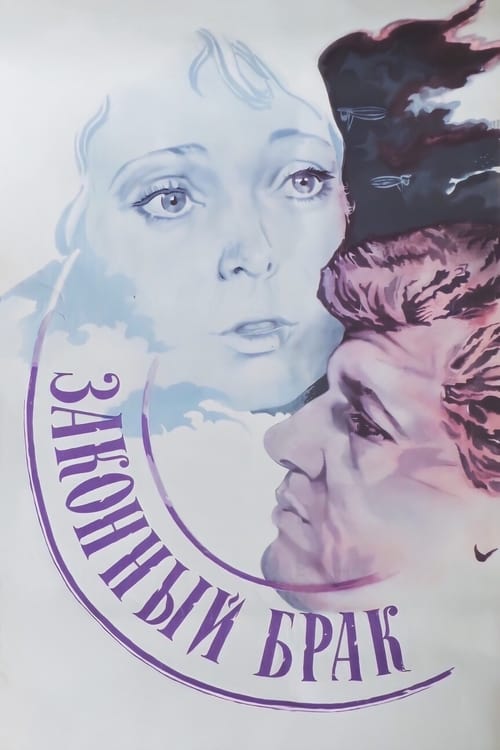
Albert Mkrtchyan
Runtime
88 minutes
Average Rating
No ratings yetNew Showbiz Analysis
A Legal Marriage avoids typical romantic clichés by presenting its central relationship as a pragmatic solution to wartime challenges. The film prioritizes social obligations and medical necessities over simple romance, providing a grounded perspective on human responsibility. The narrative effectively centers a character’s physical vulnerability without resorting to clichés. By focusing on Olga's illness as the catalyst for the plot, the film explores how systemic failures compel unconventional social bonds. However, the film remains confined by traditional gender roles and lacks explicit representation of diverse identities. While the film offers a nuanced study of social ties, it does not explore queer identities or highly diverse character backgrounds.
Category Breakdown
The film does not include any characters with non-straight sexual orientations or non-cisgender identities. The main relationship is between a man and a woman following traditional gender roles.
Olga is shown to play a significant role in driving the story despite her physical vulnerability. The plot revolves around her medical condition and the changing power dynamics between her and Igor.
The film is set in Tashkent during the 1941 evacuation, suggesting a multi-ethnic environment. Although specific character backgrounds are not detailed, the historical context implies a diverse cast.
The story examines the conflict between individual needs and the rigid state bureaucracy. It highlights how systemic obstacles affect human welfare during wartime.
Malaria is a central plot driver rather than a minor detail. The narrative emphasizes the medical necessity and systemic requirements for treating malaria.
Present on Screen
Limited or Absent
Official Synopsis
At the beginning of the 1941 war, a young talented artist Igor and his theater were evacuated to Tashkent. Here he meets music teacher Olga, who is seriously ill with malaria. Igor understands that only treatment in the capital will save the girl. But they are allowed into Moscow only on special passes. And then Igor almost by force drags Olga to the registry office. Feeling responsible for the girl, Igor begins to patronize her more and more...
1956

1999
2000
1972
1995
1968
1994
1978
No reviews yet. Be the first to share your thoughts on this movie!
Use the rating form above to leave a star rating and optional review.