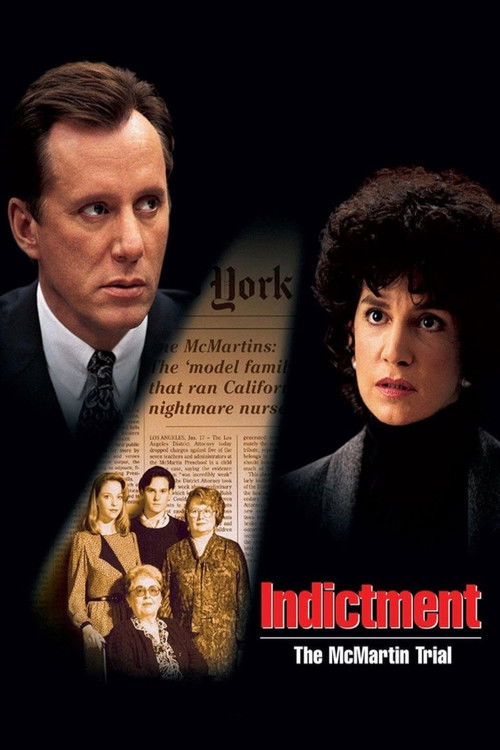
Indictment: The McMartin Trial
1995
No user ratings available yet
Diversity score: 4.9 out of 10
1990
RDirector
Andy Wolk
Runtime
90 minutes
Average Rating
No ratings yetSynopsis
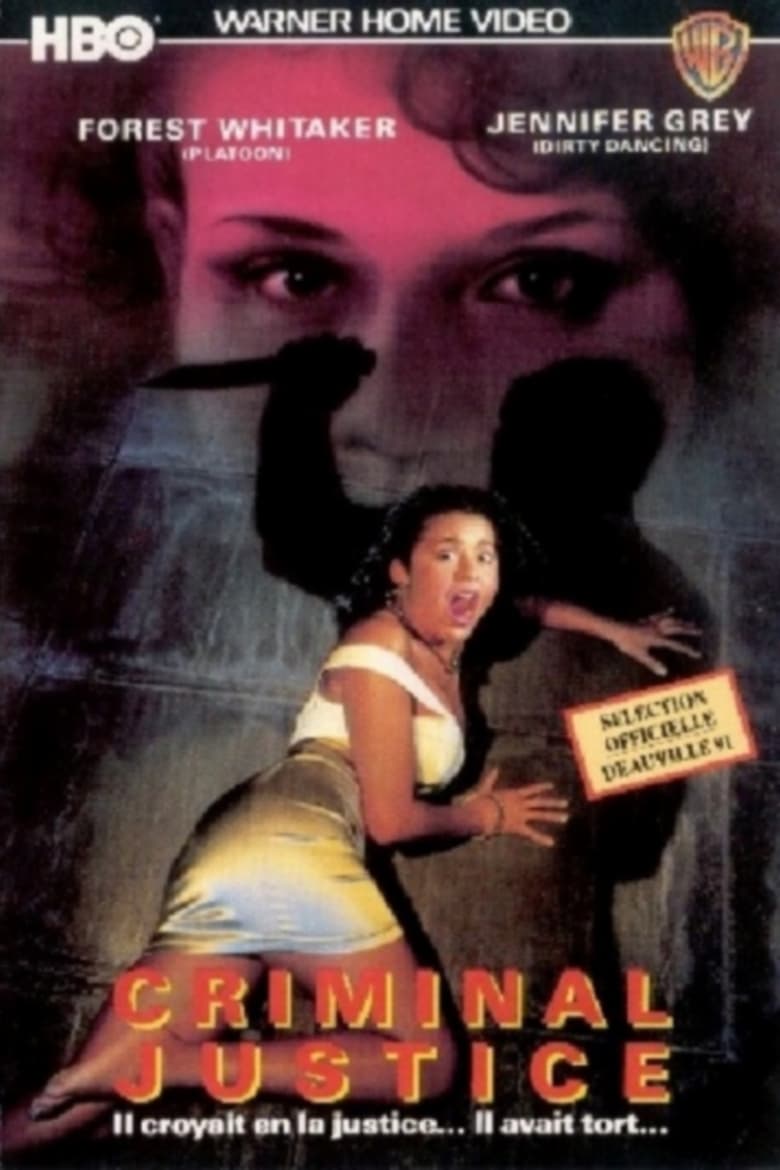
A knife-scarred victim must identify her assailant beyond a reasonable doubt. Meanwhile the accused is offered a deal if he pleads guilty. Is he as innocent as the victim? Is the justice system guiltier than both?
Overall Score
Fair
Category Breakdown
LGBTQ+ Representation
The film offers no evidence of queer narratives or non-cisnormative identities. The central victim-assailant dynamic appears to follow traditional heteronormative frameworks common in 1990s legal dramas.
Gender Representation
A female victim provides a degree of agency through her pursuit of justice. However, it remains unclear if the film subverts gender hierarchies or relies on standard tropes regarding female protagonists.
Racial & Ethnic Diversity
There is insufficient information to determine the racial composition of the cast. The narrative does not indicate specific use of diverse ensemble dynamics or race-bent casting.
Religious & Cultural Diversity
The film provides a notable critique of institutional authority. By questioning the guilt of the justice system itself, the story moves toward a progressive skepticism of state-sanctioned morality.
Disability Representation
The protagonist's knife scars introduce themes of physical trauma. It is uncertain whether this injury serves as a source of agency or functions merely as a plot device.
Strengths
Areas for Improvement
AI Analysis
Criminal Justice functions primarily as a critique of institutional reliability rather than a vehicle for intersectional representation. The narrative's strength lies in its thematic skepticism of the legal system, challenging the notion of absolute institutional truth. While the film avoids traditional portrayals of righteous authority, it lacks explicit identity-based agency. The focus remains on the tension between subjective experience and legal requirements rather than demographic diversity.
1995
1996
1994

1996

2022
2011

2021

1963
No reviews yet. Be the first to share your thoughts on this movie!
Use the rating form above to leave a star rating and optional review.