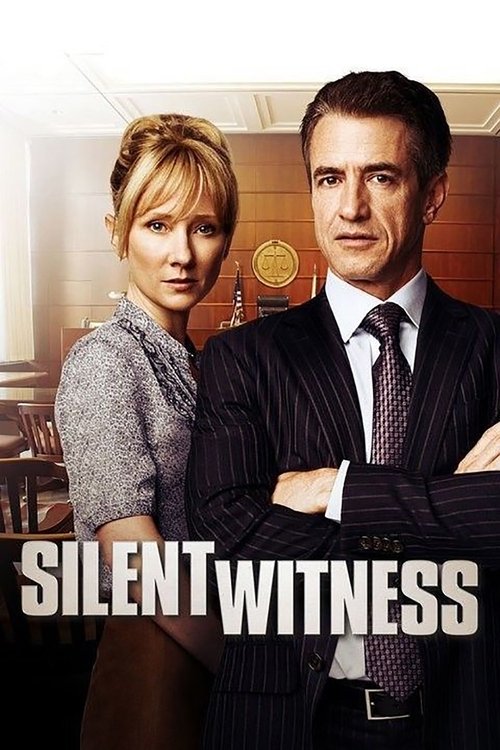
Silent Witness
2011
No user ratings available yet
Diversity score: 3.8 out of 10
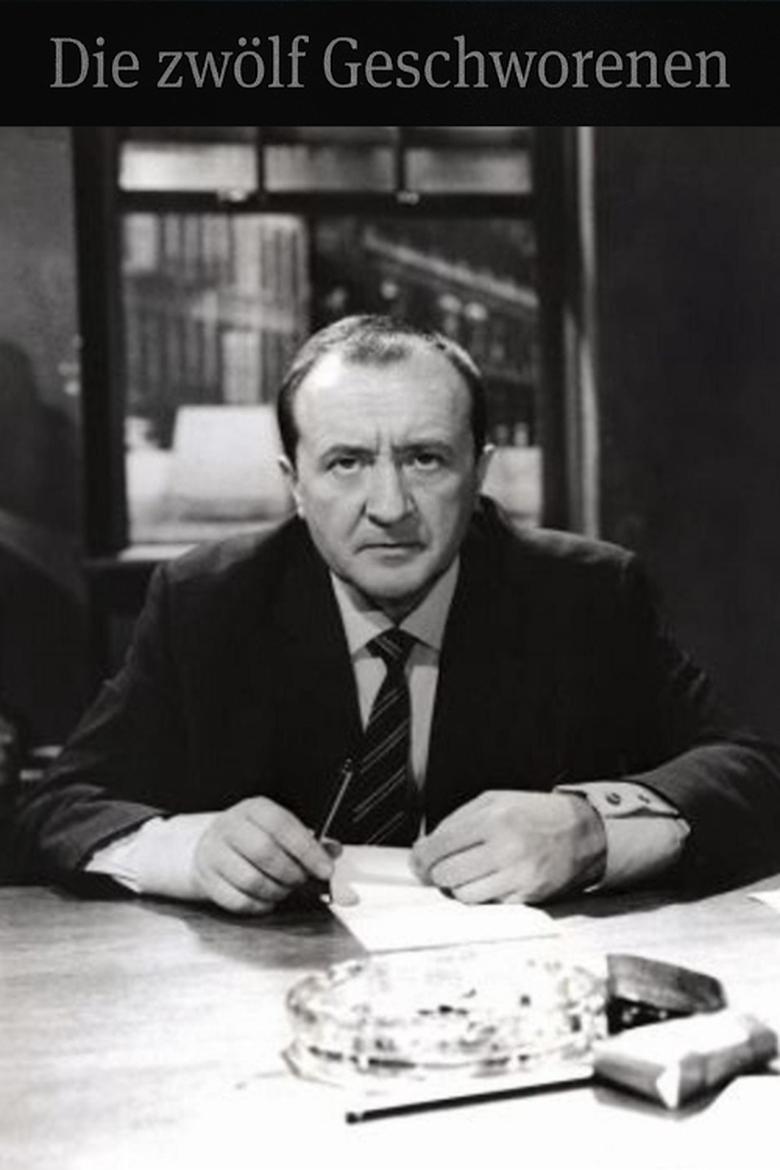
1963
Director
Günter Gräwert
Runtime
110 minutes
Average Rating
No ratings yetSynopsis
Did an 18-year-old immigrant from the slums murder his father in cold blood? The twelve jurors must find a unanimous verdict.
Overall Score
Fair
Category Breakdown
LGBTQ+ Representation
The film lacks any depiction of non-cisnormative identities or same-sex intimacy. The narrative adheres to the heteronormative frameworks typical of 1963 West German television.
Gender Representation
The legal setting likely reflects a male-dominated hierarchy of the era. However, the focus on a marginalized youth may challenge traditional notions of respectable masculinity.
Racial & Ethnic Diversity
The story centers on an immigrant from the slums, disrupting mid-century social homogeneity. This casting uses the immigrant experience to examine systemic biases within the legal system.
Religious & Cultural Diversity
The film critiques systemic structures by framing the conflict around an outsider. It questions the fairness of judicial institutions and how socio-economic status influences justice.
Disability Representation
There is no discernible evidence regarding the portrayal of physical or neurodivergent disabilities in the narrative.
Strengths
Areas for Improvement
AI Analysis
The film serves as a procedural drama that uses the courtroom to explore class-based and immigrant-related social friction. It focuses on the tension between an outsider and a rigid institutional framework. While the work lacks modern identity representation, such as LGBTQ+ characters, it succeeds in interrogating the perceived infallibility of Western legal hierarchies. The central conflict relies on the friction between marginalized identities and state institutions. Ultimately, the film's strength lies in its deconstruction of institutional consensus through the lens of an immigrant's struggle against systemic prejudice.
No reviews yet. Be the first to share your thoughts on this movie!
Use the rating form above to leave a star rating and optional review.