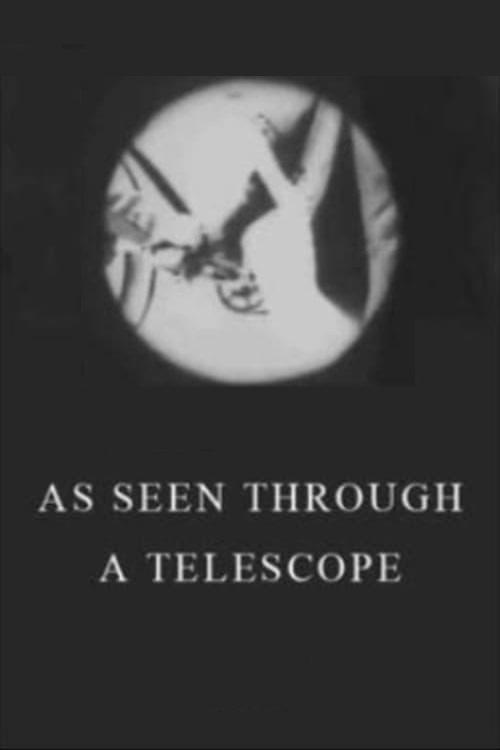
As Seen Through a Telescope
1900
No user ratings available yet
Representation score: 0.4 out of 10

Representation Score
Minimal
1902
Director
Edwin S. Porter
Runtime
2 minutes
Average Rating
No ratings yetNew Showbiz Analysis
Edwin S. Porter’s 1902 short primarily functions as a technical demonstration of telephone technology rather than a nuanced character study. Consequently, the narrative lacks the depth needed to explore diverse identities or complex social dynamics. The film reflects the rigid social structures of the early 20th century. It relies on established hierarchies, presenting a world where gender roles and class status are fixed and unchallenged. Ultimately, the work serves as a historical artifact of its time. It prioritizes the novelty of communication over the inclusion of varied human experiences or the subversion of prevailing cultural norms.
Category Breakdown
The film does not depict any LGBTQ+ identities or queer subtext. It focuses solely on a traditional domestic conflict between a husband and wife.
Gender roles are very conventional, reinforcing traditional hierarchies. The male character acts as the primary decision-maker, while the female character is defined by her role as a domestic gatekeeper.
The cast is entirely homogeneous, reflecting the production standards of the era. There is no visible racial or ethnic diversity within the film's middle-class setting.
The story operates within a narrow framework of Western social norms. It reinforces established views on marriage, class status, and the stability of the nuclear family.
There are no characters portrayed with visible or invisible disabilities. The film does not engage with themes of physical impairment or neurodivergence.
Present on Screen
Limited or Absent
Official Synopsis
A businessman makes a luncheon appointment with a young lady, but finds that his wife disapproves of the arrangement.
1900
1914

1914

1904

1909
1902
1903
1900
No reviews yet. Be the first to share your thoughts on this movie!
Use the rating form above to leave a star rating and optional review.