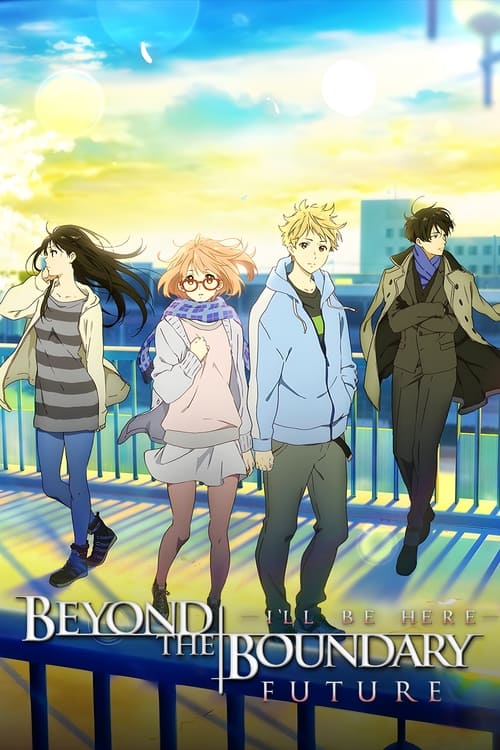
Beyond the Boundary: I'll Be Here – Future
2015
No user ratings available yet
Representation score: 4.1 out of 10

Representation Score
Limited
2013
Director
Naoto Hosoda
Runtime
29 minutes
Average Rating
No ratings yetNew Showbiz Analysis
The film aims to fulfill individual emotional needs and resolve personal trauma. It focuses on restoring a stable, happy life for the main character rather than addressing broader social issues or power structures. While the protagonist actively seeks to recover her memories, the story sticks to well-known genre conventions. The narrative structure favors traditional social stability and domesticity over questioning established norms. Overall, the film lacks depth in reflecting multiple aspects of identity, concentrating instead on maintaining conventional social units like family and school friendships.
Category Breakdown
The story centers on traditional romantic and familial themes. There are no characters with non-conforming gender identities or stories that challenge the idea that everyone is straight or cisgender.
Gasai Yuno plays a key role in driving the emotional storyline. However, her path towards domestic happiness follows conventional gender roles rather than challenging existing hierarchies.
The setting and cast depict a uniform social environment. There are no elements that blend different cultures or use symbols for ethnic diversity.
The themes revolve around personal memory and connections. The film emphasizes traditional social bonds through the restoration of a functional family and school community.
The film explores cognitive function through the theme of lost memory. It is unclear whether this aspect is given real depth or used merely as a plot device.
Present on Screen
Limited or Absent
Official Synopsis
The Second is dead and the Gasai Yuno in the third world finally gets to live a happy life with her loving parents and friends from school. But there is still an empty place in her heart — it seems she has forgotten a person really close to her but simply cannot regain her memories...
2015

2013

2019
2020

2020

2015

2018
2020
No reviews yet. Be the first to share your thoughts on this movie!
Use the rating form above to leave a star rating and optional review.