General Orders No. 9
2011
No user ratings available yet
Representation score: 1.5 out of 10
Representation Score
Minimal
2026
NRDirector
Keith Patterson
Runtime
116 minutes
Average Rating
No ratings yetNew Showbiz Analysis
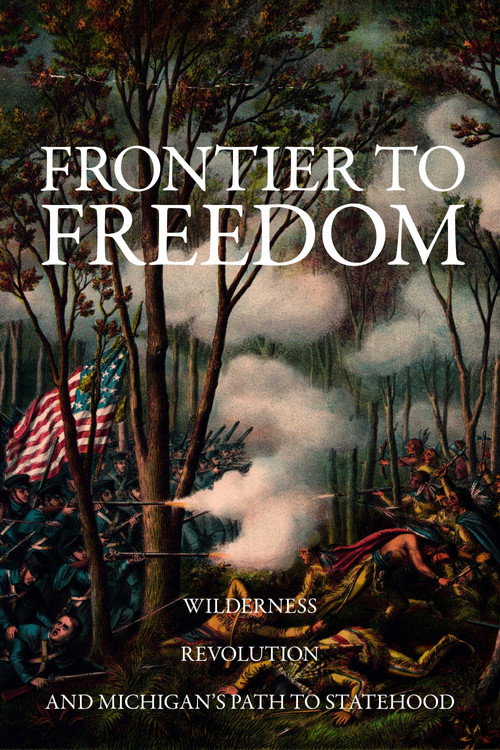
Frontier to Freedom treats Michigan’s history as a sweeping arc from Indigenous habitation to statehood. Its strongest representational choice is foregrounding Native peoples as the region’s original inhabitants rather than treating them as a footnote. Beyond that, the documentary’s available materials read like a conventional historical overview. Gender, LGBTQ+, and disability perspectives are absent from the synopsis, suggesting the film prioritizes territorial and political narratives over individual lived experiences. The cultural framing is measured: it highlights conflict and socio-political complexity without clear moralizing. That neutrality keeps the film informative but limits its capacity to challenge dominant historical myths.
Category Breakdown
The documentary centers on Michigan’s path to statehood and does not feature LGBTQ+ characters, relationships, or themes. Its historical scope and available materials offer no indication of queer narratives or representation.
No individual figures or gendered roles are specified in the available materials. The film’s focus on broad historical forces leaves gender dynamics and leadership unexamined in the synopsis.
Indigenous peoples are explicitly acknowledged as the region’s inhabitants before 1600, anchoring Native American history in the narrative. This inclusion provides meaningful ethnic representation within the documentary’s historical framework.
The film examines frontier wars, conflict, and socio-political forces shaping Michigan’s statehood. It presents a complex regional history without overtly endorsing or condemning specific institutions or cultural groups.
No characters with physical or mental disabilities are mentioned in the synopsis or context. Disability is not presented as a theme or narrative element in the available materials.
Present on Screen
Limited or Absent
Official Synopsis
Frontier to Freedom unearths the rich and often overlooked history of Michigan, tracing its evolution from a vast, untamed wilderness inhabited by Indigenous peoples in 1600 to its emergence as the 26th State in 1837. Through a blend of expert interviews, archival imagery, animated maps, and stunning visuals, the film explores the region’s formative years, its history of war and conflict on the American frontier, and the complex socio-political forces that shaped its path to statehood.
2011

2012
2016

2026

1992

2020
2022

2011
No reviews yet. Be the first to share your thoughts on this movie!
Use the rating form above to leave a star rating and optional review.