
La Classe américaine
1993
No user ratings available yet
Representation score: 4.2 out of 10
Representation Score
Minimal
1992
Director
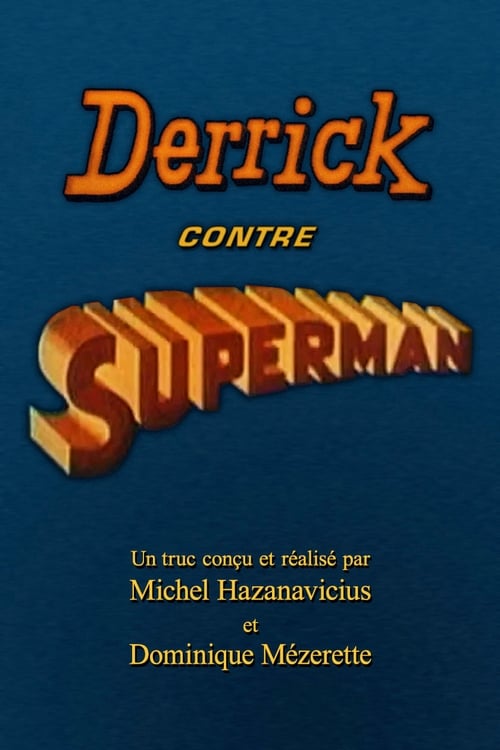
Michel Hazanavicius, Dominique Mézerette
Runtime
16 minutes
Average Rating
No ratings yetNew Showbiz Analysis
Derrick contre Superman is a parody that emphasizes stylistic homage over identity politics. The plot centers on the collision of iconic Western television figures, resulting in a narrative heavily focused on traditional masculinity. While the film showcases a sophisticated understanding of media semiotics by blending various pop-culture elements, it stays within the conventional boundaries of late 20th-century genre parody. It does not aim to subvert social hierarchies or offer layered representation. Ultimately, the film serves as a commentary on television consumption rather than a diverse exploration of human experiences.
Category Breakdown
The film does not include any LGBTQ+ characters or stories that explore non-traditional gender identities. Instead, it focuses on parodying well-known media figures.
The story revolves around established male archetypes such as Superman and Captain Kirk, with no indication of female characters or subversion of gender roles.
The cast primarily features Western television icons, indicating a lack of diversity. The film adheres to traditional casting practices typical of the early 1990s.
The film critiques media institutions and popular culture in a playful, postmodern manner. It deconstructs media history rather than challenging societal structures.
The film does not feature any characters with visible or invisible disabilities. There are no narrative devices that involve neurodivergence or physical impairments.
Present on Screen
Limited or Absent
Official Synopsis
Derrick and his deputy, Harry Klein, back from holidays, discover that french TV channel 5 is dead. They'll have to build a plan to create a new "new 5 channel". They'll be helped by Starsky & Hutch, Matt Houston, Captain Kirk or french inspector Navarro, while Superman, assisted by Number 6 and Roger Moore, will try to thwart their plan.
1993
1965
2012

1951

1987
2008
2004
1966
No reviews yet. Be the first to share your thoughts on this movie!
Use the rating form above to leave a star rating and optional review.