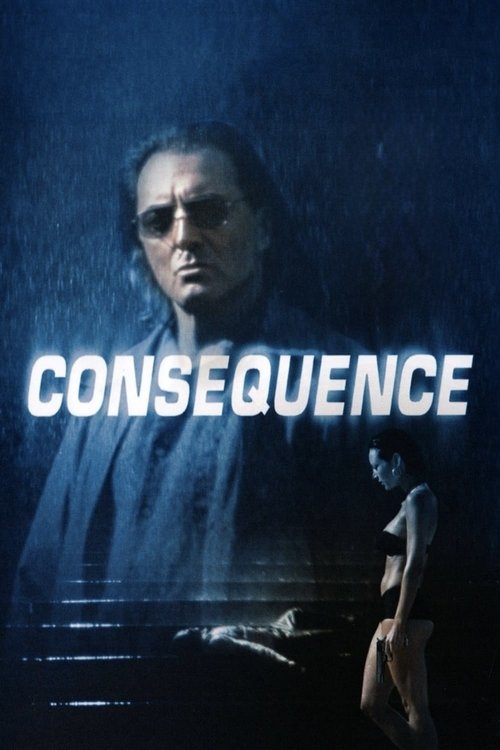
Consequence
2003
No user ratings available yet
Representation score: 1.9 out of 10

Representation Score
Limited
2000
Director
Oh Seung-uk
Runtime
100 minutes
Average Rating
No ratings yetNew Showbiz Analysis
Kilimanjaro is a neo-noir character study focusing on identity fragmentation and the cycle of violence. It prioritizes the psychological disintegration of a protagonist over broader social or demographic representation. The film succeeds in challenging the traditional hero archetype by exploring the thin line between law enforcement and organized crime. It offers a grim look at how individuals navigate moral decay when institutional systems fail. While the film lacks diverse representation, it provides a sophisticated critique of social roles and authority. It functions primarily as a stylistic exploration of individual choice and subjective morality.
Category Breakdown
The film does not include any LGBTQ+ characters or non-cisgender identities. The narrative focuses on the psychological tension and brotherly bond between the twin brothers.
The story revolves around masculine archetypes such as the police officer and the crime boss. Female characters and children serve mainly as plot catalysts rather than as independent agents with their own development.
As a South Korean production, the film features a culturally homogeneous cast. It operates within a local context without evidence of multicultural casting or race-bending.
The film critiques social structures by showing a police officer's disillusionment with law enforcement. It explores moral relativism through a protagonist who abandons institutional integrity for a criminal identity.
There is no documented evidence of characters with visible or invisible disabilities. No neurodivergence or mental health conditions are portrayed as central to the narrative.
Present on Screen
Limited or Absent
Official Synopsis
This Korean thriller begins as an organized crime kingpin murders his wife and child and then turns his gun on himself. His policeman brother, an identical twin, returns to his hometown only to find, to his surprise, that he is immediately mistaken for his dead brother. As disillusioned with law enforcement as his brother was with criminal life, the policeman takes on his brother's identity, enmeshing himself in the violent life that ultimately lead to his brother's demise.
2003

1964
1996

2012

2013

1975

2015

2000
No reviews yet. Be the first to share your thoughts on this movie!
Use the rating form above to leave a star rating and optional review.