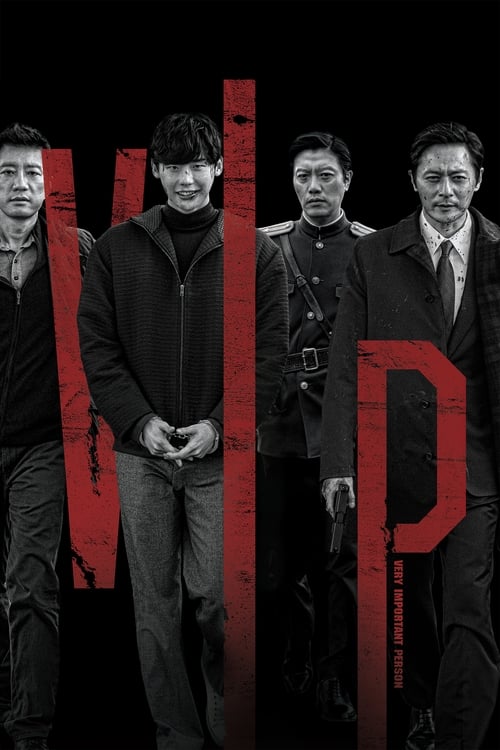
V.I.P.
2017
No user ratings available yet
Representation score: 5.4 out of 10
Representation Score
Limited
2020
TV-MADirector
Park Hoon-jung
Runtime
131 minutes
Average Rating
No ratings yetNew Showbiz Analysis
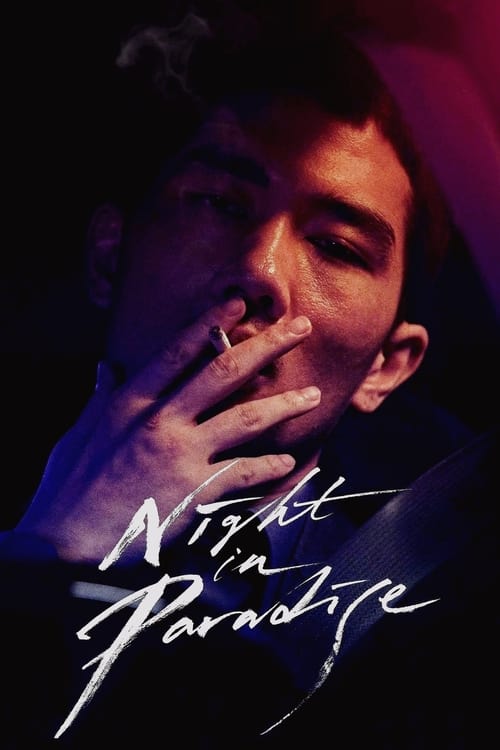
Night in Paradise is a film deeply rooted in a fatalistic worldview that prioritizes thematic complexity over demographic diversity. It excels in its nuanced, postmodern deconstruction of morality and the social contract, presenting a multifaceted, relativistic landscape. However, the film falls short in providing diverse representation across traditional categories. It remains anchored in a homogeneous ethnic and straight-centered framework, with female characters often relegated to supporting roles driven by male conflict. Ultimately, the film is a stylistic noir that explores the collapse of traditional structures. While it offers a rich philosophical critique of authority, it does not significantly engage with diverse identities or multi-layered casting.
Category Breakdown
The film adheres to a traditional framework that assumes everyone is straight or cisgender. There are no representations or critiques of non-conforming gender identities or sexual orientations.
The story focuses heavily on masculine violence and male-dominated gang hierarchies. Female characters typically act as catalysts for male-driven plots or as victims of systemic violence.
Given its South Korean setting, the cast is ethnically uniform. The film reflects the social reality of its context without attempting to diversify the ethnic makeup.
The film effectively challenges traditional moral and institutional norms. It portrays social support systems and authority figures as ineffective or non-existent.
Jae-yeon's terminal illness serves as a pivotal narrative element. However, the portrayal emphasizes illness as a tragic device to heighten a sense of hopelessness.
Present on Screen
Limited or Absent
Official Synopsis
An assassin named Tae-goo is offered a chance to switch sides with his rival Bukseong gang, headed by Chairman Doh. Tae-goo rejects the offer that results in the murder of his sister and niece. In revenge, Tae-goo brutally kills Chairman Doh and his men and flees to Jeju Island where he meets Jae-yeon, a terminally ill woman. Though, the henchman of the Bukseong gang, Executive Ma is mercilessly hunting Tae-goo to take revenge.
2017

2009

2012

2021
2008

2019
2019

2010
No reviews yet. Be the first to share your thoughts on this movie!
Use the rating form above to leave a star rating and optional review.