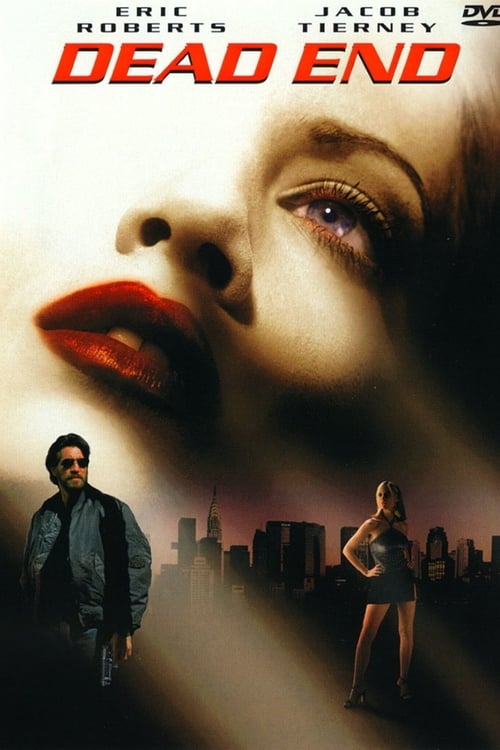
Dead End
1998
No user ratings available yet
Representation score: 2.7 out of 10

Representation Score
Limited
1995
RDirector
Clay Borris
Runtime
105 minutes
Average Rating
No ratings yetNew Showbiz Analysis
Someone to Die For is a gritty urban character study that prioritizes socioeconomic realism over traditional heroism. Its primary strength lies in its racial intentionality, centering Black urban life and providing a specific lens into systemic struggle. However, the film remains limited by its adherence to traditional gendered stereotypes. The narrative is heavily male-dominated, focusing on toughness and physical violence while offering little ability to act to female characters. Ultimately, the work lacks broad diversity, as it lacks representation for LGBTQ+ identities and non-assuming gender matches what was assigned at birth characters.
Category Breakdown
The film does not include any identifiable LGBTQ+ characters or storylines. The narrative focuses on survival and conflict within criminal and law enforcement subcultures.
The story relies on traditional masculine stereotypes centered on toughness and violence. While a female character's death drives the plot, she serves primarily as a catalyst for grief rather than an active participant.
A predominantly Black cast centers the narrative on urban Black life. This approach disrupts standard policing clichés by focusing on the lived experiences and systemic pressures faced by underrepresented communities.
The film examines the breakdown of traditional institutions and the instability of the family unit. It portrays a world where socioeconomic struggles blur the lines between law and crime.
There are no prominent depictions of visible or invisible disabilities. No characters with disabilities are shown to drive the narrative or possess significant influence.
Present on Screen
Limited or Absent
Official Synopsis
A policeman on the skids faces another tragedy when his daughter dies. When other police in his unit are being murdered, the viewer must decide which one of the suspects is responsible.
1998

2007
1997

1986

1992

1998
2000

1988
No reviews yet. Be the first to share your thoughts on this movie!
Use the rating form above to leave a star rating and optional review.