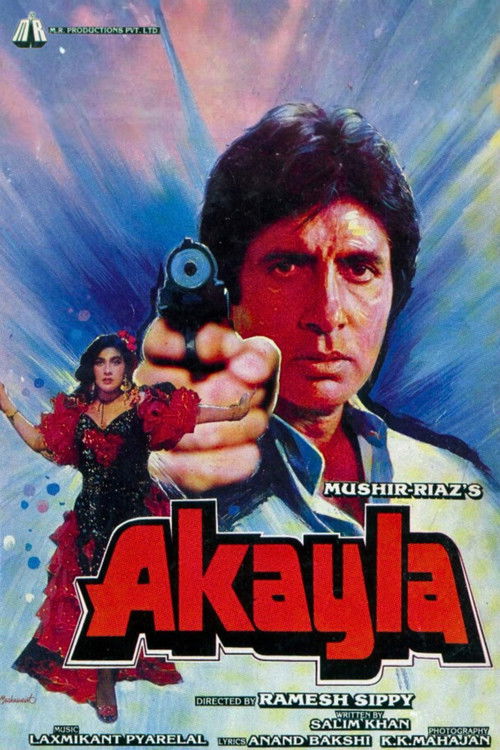
Akayla
1991
No user ratings available yet
Representation score: 4.2 out of 10
Representation Score
Minimal
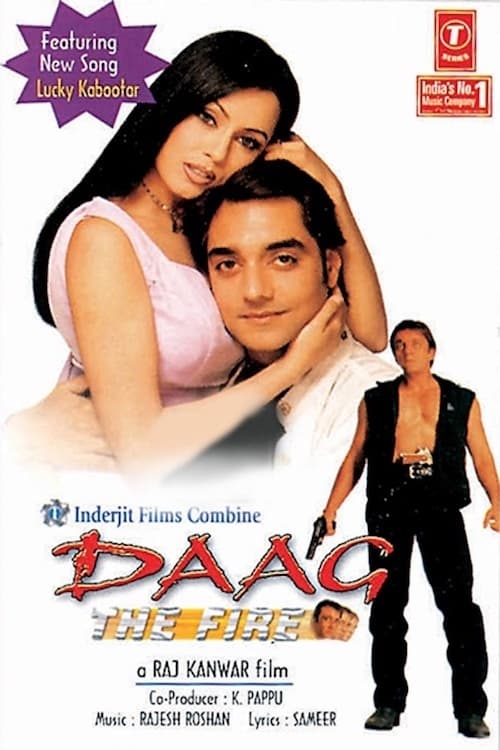
1999
Director
Raj Kanwar
Runtime
152 minutes
Average Rating
No ratings yetNew Showbiz Analysis
Daag: The Fire is a standard late-90s commercial melodrama that prioritizes traditional emotional clichés. It focuses on individual vengeance and the restoration of personal honor rather than challenging social hierarchies. The film lacks representation for LGBTQ+ identities and disabilities entirely. While it touches on the social consequences of marital abandonment, it does so through a lens that reinforces conventional patriarchal structures. Ultimately, the narrative functions as a genre piece that emphasizes familial stability and traditional values, offering little room for multi-layered or systemic critique.
Category Breakdown
The film does not include any LGBTQ+ identities or narratives that challenge traditional gender roles. It operates within a framework that assumes everyone is straight and cisgender.
Female characters are often defined by their relationships to men, such as husbands or aggressors. While the film explores female resilience, it uses the 'ideal wife' archetype primarily to drive melodrama.
The cast and setting are culturally homogeneous. While it lacks diverse representation, the film maintains a consistent identity rooted in its specific regional and social context.
The story adheres to a traditional moral framework centered on familial duty and marriage. It prioritizes individual retribution and personal honor over systemic critiques.
There are no visible or invisible disabilities portrayed. No characters have arcs defined by physical impairment or neurodivergence.
Present on Screen
Limited or Absent
Official Synopsis
Karan is a former soldier. One day when Karan finds out that his father committed suicide in prison after he is falsely charged with a crime, he suspects Ravi Verma, a city attorney who has a wife and a kid. When Karan spots Ravi on the street with his wife Kajal, he abruptly shoots Ravi and Kajal; however, Ravi survives the murder and Kajal ends up dead. After Ravi's release from the hospital, he does not realize that he has a new and different wife who looks exactly like Kajal, later on he does. While Ravi's life continues, Karan's revenge also continues against Ravi. Ravi claims that it wasn't his idea to set Karan's father up, it may be Ravi's father-in-law and his colleagues who may be responsible.
1991
2017

2015

2003
2013
2004
1989
1994
No reviews yet. Be the first to share your thoughts on this movie!
Use the rating form above to leave a star rating and optional review.