Little Nellie Kelly
1940
No user ratings available yet
Diversity score: 3.0 out of 10
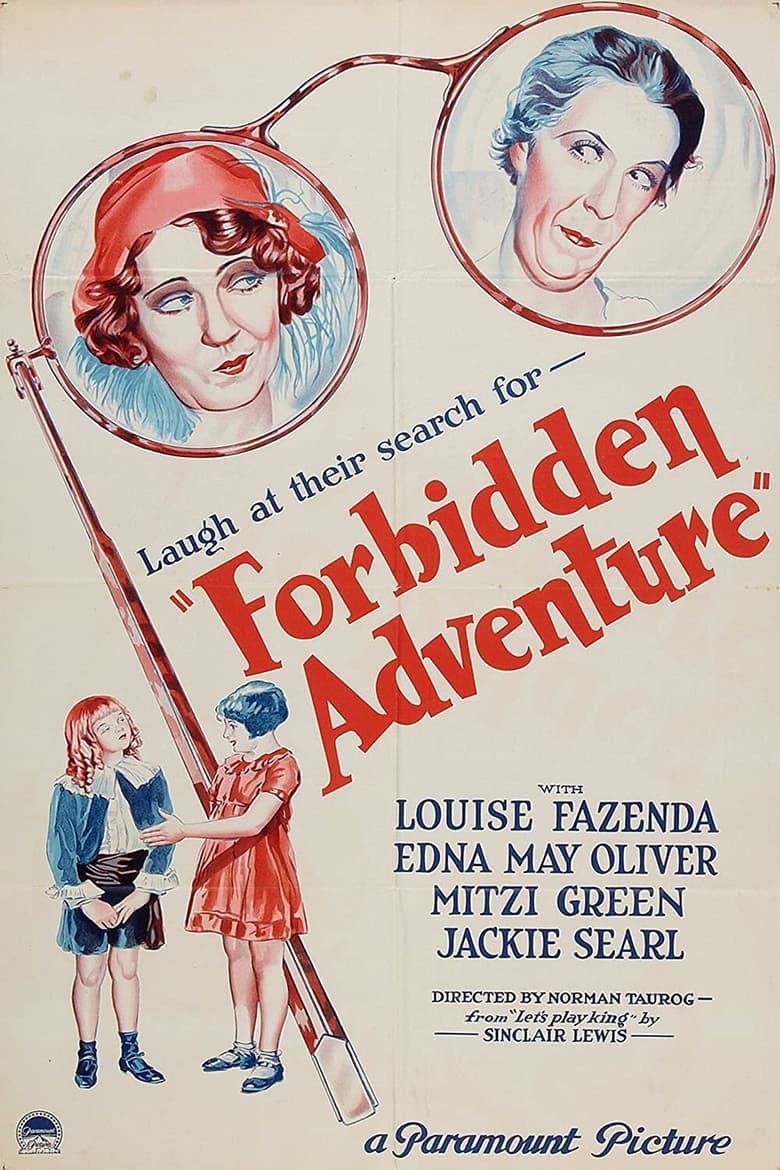
1931
PassedDirector
Norman Taurog
Runtime
77 minutes
Average Rating
No ratings yetSynopsis
Two small town widows bring their children to Hollywood, where their children become competing film stars. The girl is sweet, the boy is a killjoy sissy. For publicity, the rival families go to London to meet a middle European boy King. The three kids decide they need to escape their stifling lives and run away to the docks and join a gang.
Overall Score
Limited
Category Breakdown
LGBTQ+ Representation
The film relies on a 'killjoy sissy' archetype for comedic effect. This character serves as a foil to masculine norms rather than exploring non-cisnormative identity.
Gender Representation
Two widows lead the household, offering a rare glimpse of female-led structures. However, the plot quickly pivots to children competing for Hollywood fame.
Racial & Ethnic Diversity
The story focuses on American families and a European boy king. It lacks racial blending or non-white characters in positions of agency.
Religious & Cultural Diversity
The narrative explores Hollywood celebrity culture and family dynamics. It uses the children's rebellion as a comedic catalyst for adventure rather than systemic critique.
Disability Representation
There is no information regarding the depiction of physical or neurodivergent disabilities in this film.
Strengths
Areas for Improvement
AI Analysis
Newly Rich is a period-typical studio comedy that adheres to the social hierarchies of the early 1930s. While it provides a slight departure from the nuclear family norm by centering on widowed mothers, it lacks intentionality in disrupting social expectations. The film relies heavily on established tropes, particularly regarding gender non-conformity and Western-centric storytelling. The international elements serve more as a backdrop for class-based adventure than for genuine cultural or ethnic exploration.
No reviews yet. Be the first to share your thoughts on this movie!
Use the rating form above to leave a star rating and optional review.