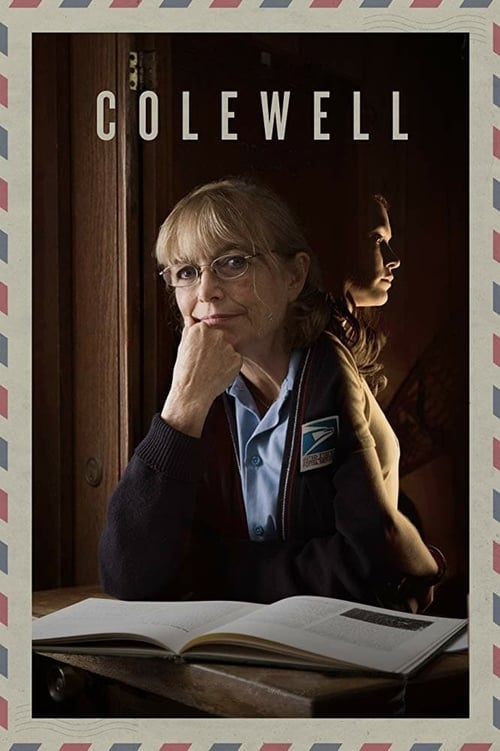
Colewell
2019
No user ratings available yet
Representation score: 3.9 out of 10
Representation Score
Fair
2019
Director
Robert Jury
Runtime
109 minutes
Average Rating
No ratings yetNew Showbiz Analysis
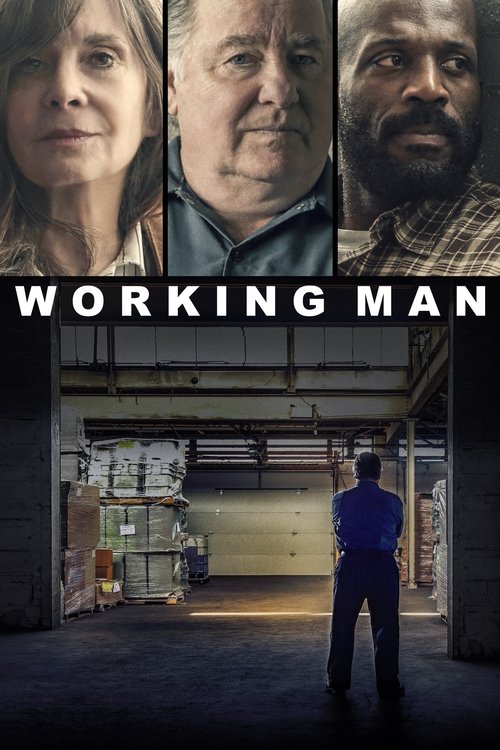
Working Man is a social realist drama that prioritizes a critique of systemic power over demographic variety. It challenges traditional masculine roles and the stability of the industrial provider model, offering a somber look at class-based vulnerabilities. However, the film remains demographically traditional. The casting is largely homogeneous, and the narrative lacks representation of LGBTQ+ identities or neurodivergence. While the setting feels authentic to the Rust Belt, it does not seek to expand its scope through diverse casting. Ultimately, the film's strength lies in its narrative engagement with socioeconomic hierarchies rather than progressive identity politics. It uses industrial tragedy to examine how corporate negligence impacts individuals and families.
Category Breakdown
The film adheres to a structure that assumes everyone is straight or cisgender. There are no characters with same-sex relationships or queer-coded storylines.
The movie challenges the traditional provider role by focusing on the emotional impact of a fatal accident. It shifts the focus to female characters like Iola as they deal with the crisis.
The cast is predominantly white and reflects the specific context of the Rust Belt. It does not include diverse racial backgrounds or use race-bent casting.
The film provides a nuanced critique of Western industrial institutions and systemic failures. It highlights the tension between individual survival and corporate responsibility among the working class.
The film includes the physical and psychological consequences of industrial accidents but treats them as plot devices rather than exploring disability ability to act.
Present on Screen
Limited or Absent
Official Synopsis
When the last factory in a small Rust Belt town closes its doors, an unlikely hero emerges in dutiful, quiet Allery Parkes. A career employee of the factory, the aging Allery can't reconcile how to live a life simply sitting at home doing nothing. Against the advice and pleas of his loving wife Iola, he forms an unlikely friendship with his charismatic neighbor Walter Brewer in order to revive the defunct factory.
2019

2018

2019
2018

2020
1996

2016
2020
No reviews yet. Be the first to share your thoughts on this movie!
Use the rating form above to leave a star rating and optional review.