Tom Medina
2021
No user ratings available yet
Representation score: 8.7 out of 10
Representation Score
Good
2022
Director
Marí Alessandrini
Runtime
105 minutes
Average Rating
No ratings yetNew Showbiz Analysis
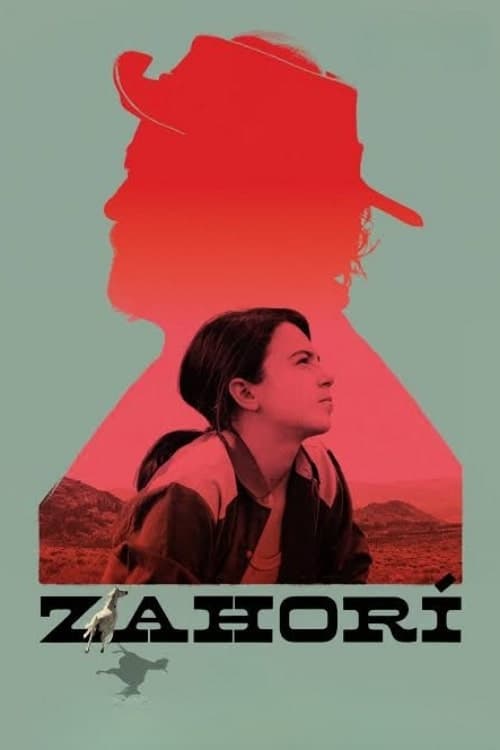
Zahorí presents a sophisticated, layered landscape that moves beyond standard Western developmental clichés. By centering the relationship between a young girl and a Mapuche elder, the film avoids Anglo-centric storytelling patterns. The narrative effectively challenges social hierarchies through its protagonist's rejection of both traditional domesticity and modern ideological frameworks. This creates a rich exploration of regional identity and post-colonial interaction. While the film excels in racial and cultural depth, it remains silent on LGBTQ+ identities and disability representation. However, its subversion of gendered archetypes provides a strong foundation for progressive storytelling.
Category Breakdown
The film does not explicitly depict LGBTQ+ identities or include non-straight relationships. The narrative centers on the protagonist's personal journey and her relationship with a Mapuche elder.
Mora challenges traditional gender roles by pursuing the role of a 'gaucho,' a traditionally masculine archetype. Her journey emphasizes her independence and subverts gendered expectations in a rural setting.
The story highlights indigenous perspectives by focusing on Nazareno, a Mapuche elder. This creates a nuanced interplay between European immigrant backgrounds and indigenous realities.
The film critiques Western intellectualism by depicting the parents' environmentalist ideologies as problematic. It favors localized, indigenous wisdom over formal, institutionalized schooling.
There is no indication of physical or neurodivergent disabilities being depicted in the narrative.
Present on Screen
Limited or Absent
Official Synopsis
The Patagonian steppe is battered by a grey wind... Mora is 13 years old and intends to become a "gaucho". She questions the school and asserts her individuality towards her parents, two environmentalists from Italian-speaking Switzerland whose dream of autonomy turns into a nightmare. Mora goes deep into the steppe to help the only friend she has, Nazareno, an old Mapuche who has lost his horse, Zahorí.
2021
2019
2023
2001
2015

2024

2019
2019
No reviews yet. Be the first to share your thoughts on this movie!
Use the rating form above to leave a star rating and optional review.