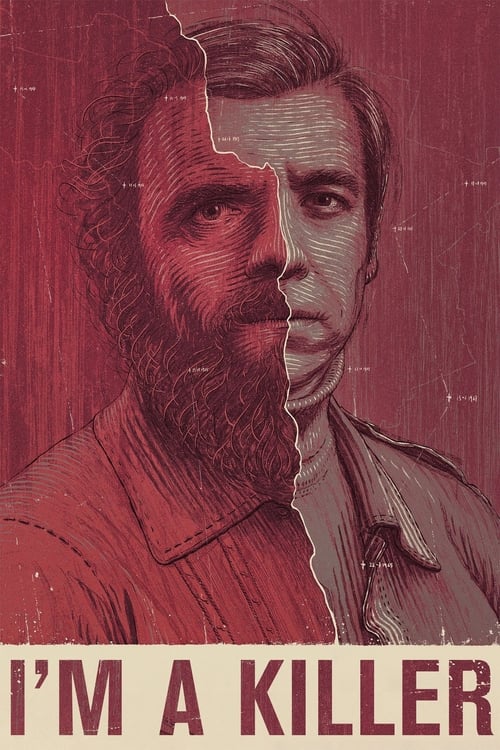
I'm a Killer
2016
No user ratings available yet
Representation score: 4.3 out of 10
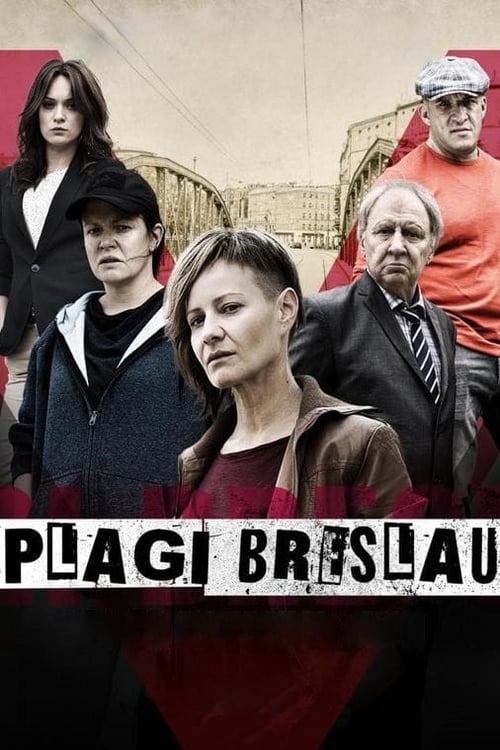
Representation Score
Fair
2018
TV-MADirector
Patryk Vega
Runtime
93 minutes
Average Rating
No ratings yetNew Showbiz Analysis
The film successfully disrupts traditional gender roles by placing a female officer at the center of the intellectual resolution. This provides a meaningful challenge to standard crime thriller structures. However, the work remains largely traditional regarding racial and LGBTQ+ representation. The narrative's focus on a specific Central European historical context limits its demographic range and depth in reflecting multiple aspects of identity. Ultimately, the film operates as a character-driven thriller that emphasizes genre clichés over broad demographic representation, resulting in a focus that is specialized rather than inclusive.
Category Breakdown
The film does not include explicit LGBTQ+ characters or narratives. The story focuses on a procedural investigation that seems to prioritize traditional heterosexual relationships.
Helena Rus serves as the main intellectual force behind the plot. By centering the investigation on a female officer, the film challenges the typical male-dominated detective storyline.
The setting and historical elements reflect the demographic uniformity of Central Europe. There is no significant representation of non-white characters within the cast or historical framework.
The narrative offers a critical look at the effectiveness of institutions and justice. It links modern crime to 18th-century history to explore recurring patterns of systemic violence.
There are no visible depictions of physical, neurodivergent, or mental health disabilities. Such traits do not drive the central narrative or character development.
Present on Screen
Limited or Absent
Official Synopsis
Every day at 6 pm a serial killer kills another person. Police officer Helena Rus thinks the killings are done by one man only and decides to reveal the killer's identity by getting back in 18th century history of the city.
2016
2021
2016
2009
2019
2014
2013

2016
No reviews yet. Be the first to share your thoughts on this movie!
Use the rating form above to leave a star rating and optional review.