
The Lullaby Killer
2017
No user ratings available yet
Representation score: 2.2 out of 10
Representation Score
Fair
2016
TV-14Director
Maciej Pieprzyca
Runtime
117 minutes
Average Rating
No ratings yetNew Showbiz Analysis
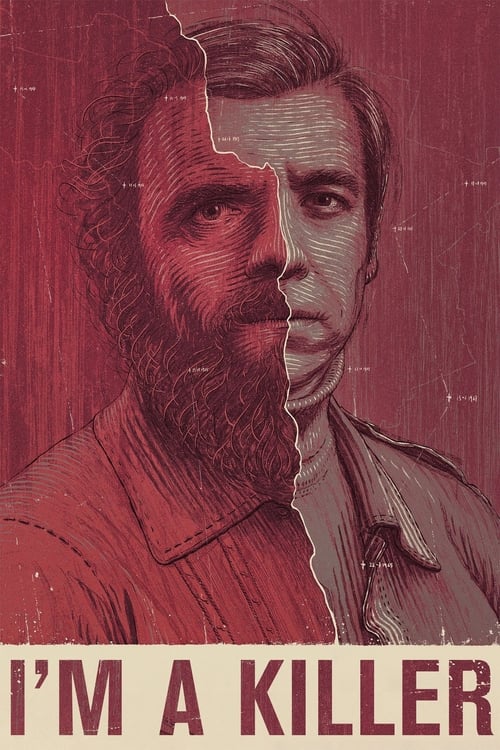
I'm a Killer is a period-specific psychological drama that prioritizes historical realism over contemporary identity politics. It focuses on the deconstruction of state power and the psychological toll of systemic environments. The film scores low in traditional demographic metrics like race, gender, and LGBTQ+ representation. This is largely due to its commitment to the specific, homogeneous socio-political landscape of the 1980s Eastern Bloc. However, the film excels in cultural representation. It provides a nuanced, critical view of institutional authority, replacing the cliché of a stable state with a narrative of systemic dysfunction and moral ambiguity.
Category Breakdown
The film does not include any characters with non-binary gender identities. It operates within a historical context that assumes everyone is straight and cisgender.
Male characters, particularly the detective and state officials, play central roles. Female characters mainly serve as catalysts for the male protagonist’s psychological journey.
The cast reflects the demographic makeup typical of the 1980s Polish People's Republic. The narrative is deeply rooted in the socio-political environment of the Eastern Bloc during that time.
The film offers a sophisticated critique of totalitarianism. It portrays the state as a source of violence and moral decay, challenging the legitimacy of centralized authority.
Psychological trauma and mental erosion are central themes. However, these elements function as thriller clichés rather than as proactive depictions of characters dealing with disabilities.
Present on Screen
Limited or Absent
Official Synopsis
Inspired by true events from the 1970s, the story revolves around a young detective who becomes the head of a police unit focused on catching a rampant serial killer of women, nicknamed 'The Silesian Vampire'.
2017
2017
1977
2021
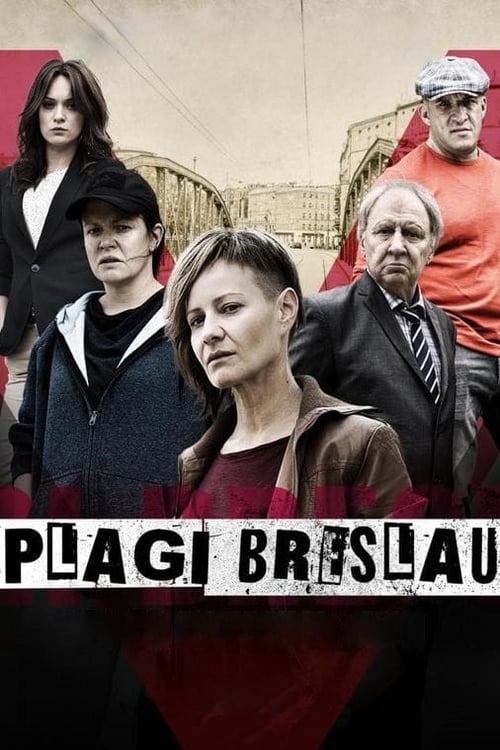
2018
2009
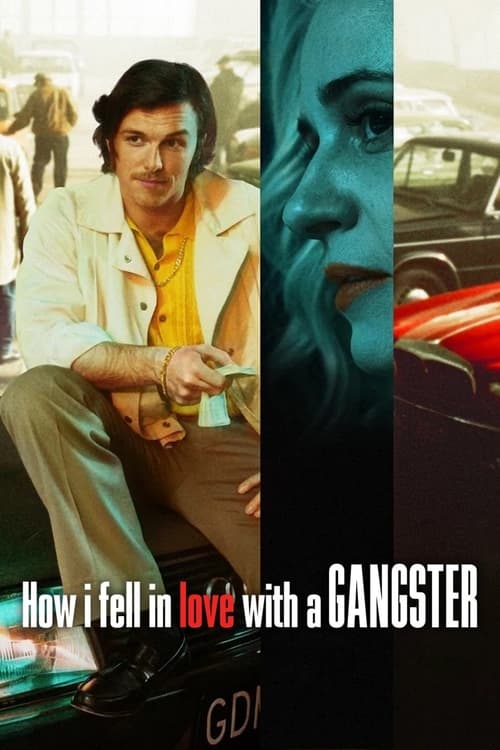
2022
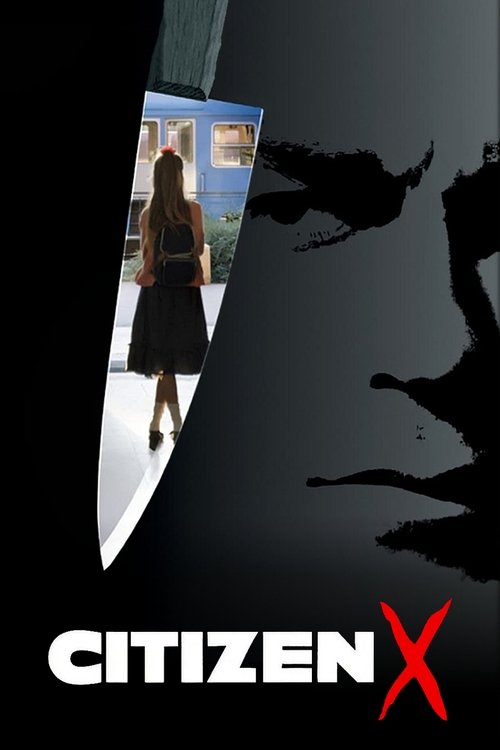
1995
No reviews yet. Be the first to share your thoughts on this movie!
Use the rating form above to leave a star rating and optional review.