
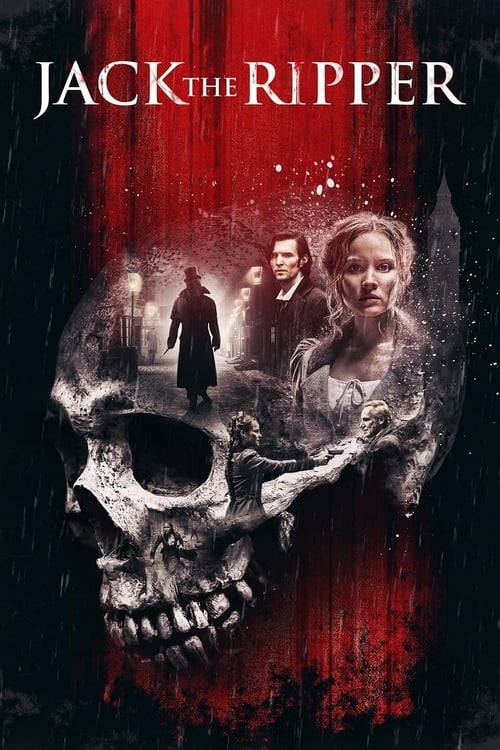
Jack the Ripper
1959
No user ratings available yet
Representation score: 2.2 out of 10
Representation Score
Good
2016
Director
Sebastian Niemann
Runtime
98 minutes
Average Rating
No ratings yetNew Showbiz Analysis
The film successfully transforms the female subject from a passive victim to an active investigator, subverting traditional gender clichés. This shift provides a fresh perspective on the Whitechapel murders by emphasizing the intellectual and physical ability to act of female characters. However, the historical setting limits the racial and ethnic diversity of the cast. The narrative reflects the demographic homogeneity of 1888 London without broader representation. Additionally, the film lacks meaningful engagement with disability or explicit LGBTQ+ identities.
Category Breakdown
The film centers a female protagonist in a male-dominated environment, challenging traditional gender roles. However, there is no explicit depiction of queer identities or same-sex relationships.
The narrative positions a female character as an active hunter, granting her a significant role in driving the story and challenging traditional gender hierarchies within the historical thriller genre.
The setting is historically homogeneous, reflecting the demographics of Victorian London. There is no indication of diverse character backgrounds or color-blind casting.
The story critiques Western institutions such as the London Metropolitan Police, framing the investigation in a way that questions the authority of Victorian-era systems.
There is no documented evidence of characters with physical or neurodivergent disabilities. The film lacks intentional representation regarding disability or specific character arcs addressing these themes.
Present on Screen
Limited or Absent
Official Synopsis
A serial killer walks the streets of Whitechapel, London, attacking and killing women, which later came to be known as the 'Whitechapel murders' stretching from 3 April 1888 to 13 February 1891 included in the London Metropolitan Police Service Investigation.
1959
2009
1997
1982
1998
1927
1985

2005
No reviews yet. Be the first to share your thoughts on this movie!
Use the rating form above to leave a star rating and optional review.