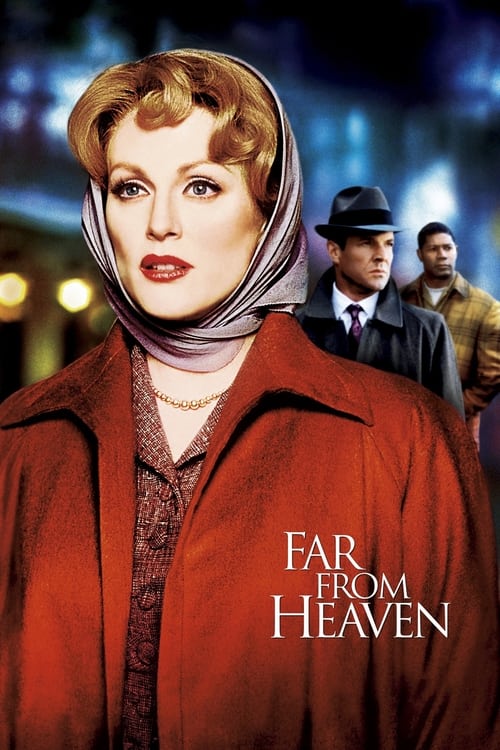
Far from Heaven
2002
No user ratings available yet
Representation score: 7.0 out of 10

Representation Score
Limited
2008
RDirector
Sam Mendes
Runtime
119 minutes
Average Rating
No ratings yetNew Showbiz Analysis
Revolutionary Road is a specialized period piece that emphasizes psychological depth over broad demographic representation. It effectively challenges the stability of the traditional nuclear family and the performative nature of 1950s masculinity. However, the film's demographic focus is narrow, lacking representation of LGBTQ+ identities, racial diversity, or disabilities. Its strength lies in its cultural critique rather than its inclusivity.
Category Breakdown
The film focuses on a strictly heterosexual and cisgender perspective from the 1950s. There is no indication of LGBTQ themes or non-cisgender identities.
April Wheeler’s dissatisfaction with domestic life offers a nuanced look at mid-century gender roles. Frank Wheeler’s masculinity is shown as performative and fragile.
The story reflects the demographic uniformity of 1950s suburban America. The cast is nearly all white, focusing on a single middle-class experience.
The film critiques the American Dream and consumerist lifestyles. It portrays the nuclear family as a trap for psychological well-being.
There are no visible or invisible disabilities portrayed as central to the character arcs or used as narrative devices.
Present on Screen
Limited or Absent
Official Synopsis
A young couple living in a Connecticut suburb during the mid-1950s struggle to come to terms with their personal problems while trying to raise their two children. Based on a novel by Richard Yates.
2002
1937
2010

1945

2018

1996
2013

2004
No reviews yet. Be the first to share your thoughts on this movie!
Use the rating form above to leave a star rating and optional review.