
The Hollars
2016
No user ratings available yet
Representation score: 3.0 out of 10
Representation Score
Fair
2009
RDirector
Sam Mendes
Runtime
98 minutes
Average Rating
No ratings yetNew Showbiz Analysis
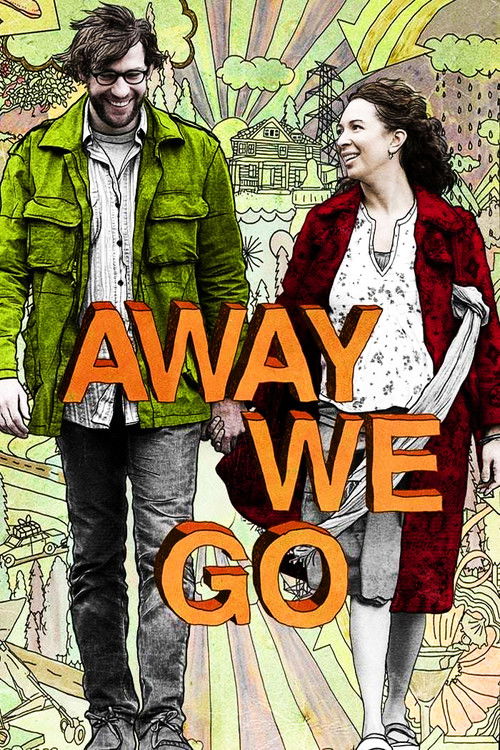
Away We Go is a character-driven film that prioritizes the deconstruction of lifestyle norms over demographic diversity. It challenges established Western social structures through a postmodern lens. Although the film performs poorly in traditional measures of racial and LGBTQ+ inclusion, it demonstrates progressive intent through its narrative structure. It critiques capitalist-driven domesticity and redefines traditional gender roles. The journey serves as a means to explore a more fluid, subjective understanding of community, moving away from a singular, culturally sanctioned ideal.
Category Breakdown
The film centers on a heterosexual relationship and does not include any non-binary gender identities or same-sex dynamics among the main characters.
The narrative emphasizes the female protagonist's role in driving the story forward both emotionally and logistically. Rosie is the primary force behind the journey's progress.
The film features a predominantly white, middle-class demographic. The exploration of community does not significantly address racial or ethnic diversity.
The story questions the traditional American Dream by examining alternative lifestyles, such as nomadic living arrangements, which differ from typical nuclear family structures.
The film does not focus on physical, sensory, or neurodivergent disabilities. Characters move through their journey from an able-bodied perspective.
Present on Screen
Limited or Absent
Official Synopsis
Verona and Burt have moved to Colorado to be close to Burt's parents but, with Verona expecting their first child, Burt's parents inexplicably decide to move to Belgium, now leaving them in a place they hate and without a support structure in place. They set off on a whirlwind tour of of disparate locations where they have friends or relatives, sampling not only different cities and climates but also different families. Along the way they realize that the journey is less about discovering where they want to live and more about figuring out what type of parents they want to be.
2016

2009

1999

2011
2005
1996

2012
1997
No reviews yet. Be the first to share your thoughts on this movie!
Use the rating form above to leave a star rating and optional review.