Una gallega baila mambo
1951
No user ratings available yet
Representation score: 1.4 out of 10
Representation Score
Minimal
1951
TV-GDirector
René Cardona
Runtime
88 minutes
Average Rating
No ratings yetNew Showbiz Analysis
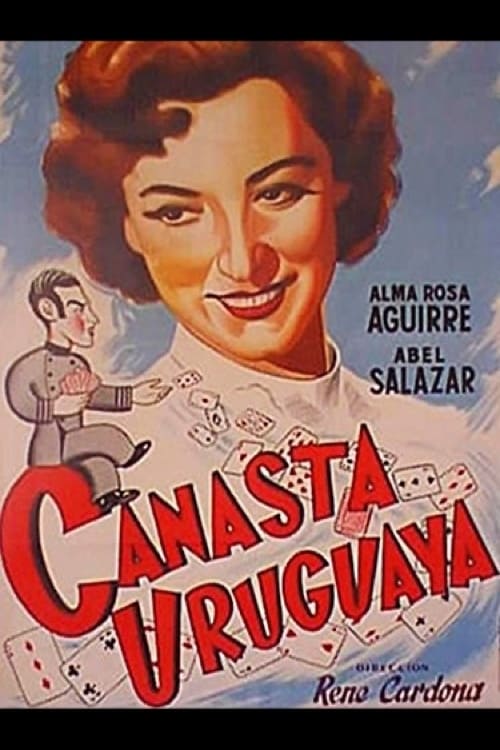
Canasta Uruguaya is a conventional screwball comedy that relies on established cinematic clichés of the 1950s. While the central female protagonist gains independence through a sudden inheritance, the narrative structure likely serves to reinforce rather than challenge traditional social hierarchies. The film appears to be a product of its time, focusing on regional comedic misunderstandings and social mobility. It lacks evidence of diverse casting or narratives that critique the prevailing cultural or straight-centered status quo. Ultimately, the work functions as a standard genre piece designed for broad regional appeal, operating within the dominant social frameworks of Golden Age Latin American cinema.
Category Breakdown
The film lacks evidence of non-straight relationships. Given its 1951 release, the narrative likely adheres to the standard assumptions of that time.
The screwball genre provides a female protagonist with wit and economic independence through inheritance. However, these roles often resolve by reinforcing traditional romantic relationships and gender stereotypes.
The film likely reflects the demographic composition of Uruguay in 1951. Without specific casting data, it appears to prioritize homogeneous casting within the dominant cultural group.
The story follows a traditional trajectory of wealth and social mobility. It functions as a catalyst for comedic misunderstandings within a stable, conventional social order.
There is no information available regarding the inclusion of characters with visible or invisible disabilities.
Present on Screen
Limited or Absent
Official Synopsis
Screwball comedy about country girl who inherits a fortune.
1951

1934

1958

1948

1957
1947
1957
1951
No reviews yet. Be the first to share your thoughts on this movie!
Use the rating form above to leave a star rating and optional review.