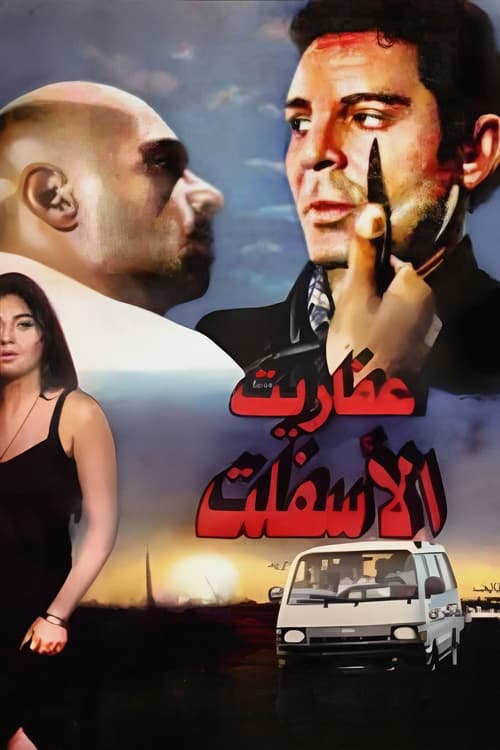
The Asphalt Kings
1996
No user ratings available yet
Representation score: 6.0 out of 10

Representation Score
Fair
2009
RDirector
Marwan Hamed
Runtime
125 minutes
Average Rating
No ratings yetNew Showbiz Analysis
Ibrahim El-Abyad is a gritty work of social realism that prioritizes class-based critique over traditional moral frameworks. It excels at deconstructing socioeconomic hierarchies and challenging the sanctity of institutional stability. However, the film struggles with gender balance, relying heavily on male-driven conflict and archetypes. The female presence is limited to supporting roles that lack a significant role in driving the story within the plot. Ultimately, the film's strength lies in its systemic analysis of corruption. While it lacks representation for LGBTQ+ identities and disability, it offers a nuanced look at the disenfranchised.
Category Breakdown
The film does not include any LGBTQ+ characters or explore non-traditional sexual orientations. The interpersonal dynamics are centered around conventional relationships.
The story revolves around masculine characters defined by physical strength and revenge. Female characters mainly serve as emotional catalysts or symbols of longing rather than independent actors.
The film provides a detailed look at Egyptian social stratification. It examines ethnic and class-based identity by focusing on the underrepresented working class and urban underworld.
The narrative offers a strong anti-capitalist critique of established power structures. It highlights systemic injustice and the breakdown of legal authority as factors driving the protagonist's criminal behavior.
There is no significant focus on neurodivergence or physical disabilities. Physical trauma is used for gritty realism rather than to explore disability issues.
Present on Screen
Limited or Absent
Official Synopsis
After witnessing the murder of his father as a child, Ibrahim is drawn into the criminal underworld of Egypt. While making a name for himself with his best friend Ashri, he finds his high school sweetheart Houria and manages to rekindle their love, but paths intertwine with Abdel Malik Zarzor, the city's crime lord, who is connected somehow to Houria.
1996

2005
2006

2000

2004

2011

2007
2009
No reviews yet. Be the first to share your thoughts on this movie!
Use the rating form above to leave a star rating and optional review.