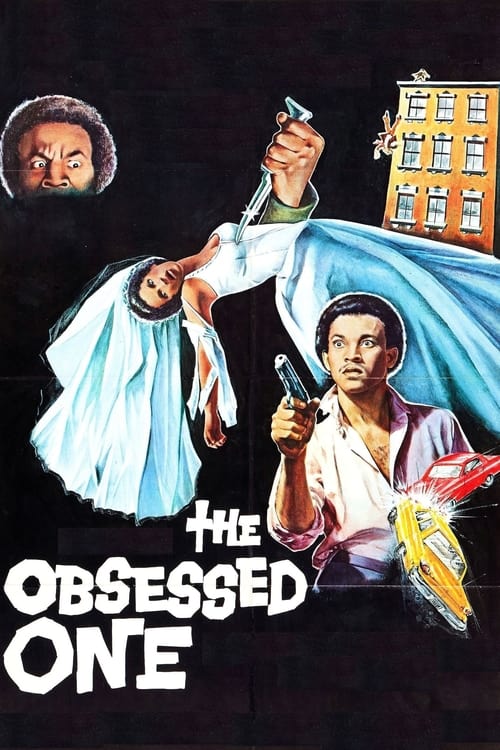
The Obsessed One
1974
No user ratings available yet
Representation score: 2.0 out of 10

Representation Score
Limited
2004
TV-PGDirector
Maryo J. de los Reyes
Runtime
135 minutes
Average Rating
No ratings yetNew Showbiz Analysis
Kulimlim explores the intersection of vigilante justice and systemic legal failure. The plot centers on a man's response to a broken judicial system, using supernatural possession to add layers of moral ambiguity. While the film offers a culturally specific critique of institutional power, it adheres to traditional gender clichés. The male lead carries the primary ability to act, acting as the protector and avenger in response to female victimization. The narrative lacks representation of LGBTQ+ identities or disability, focusing instead on a genre-driven exploration of trauma and spiritual horror within a Philippine context.
Category Breakdown
The film does not include any LGBTQ+ characters or non-straight relationships. The story focuses solely on a heterosexual couple.
The male protagonist drives the plot through vigilantism. Although a female character's trauma sets the story in motion, the resolution depends on male-led actions.
As a Philippine production, the film features a predominantly non-Western, non-Anglo-Saxon cast. It provides a cultural framework outside of Western cinematic norms.
The story critiques institutional justice and incorporates supernatural possession. This suggests a reliance on localized folklore rather than organized religious morality.
There is no mention of characters with physical, sensory, or neurodivergent disabilities. The supernatural possession serves as a plot device.
Present on Screen
Limited or Absent
Official Synopsis
A man takes the law into his own hands when his wife's rapists are released from prison on a technicality, only to be possessed by the spirits of the criminals.
1974

2019

2009

2011

1976
1987

2015

2008
No reviews yet. Be the first to share your thoughts on this movie!
Use the rating form above to leave a star rating and optional review.