Pisaasu
2014
No user ratings available yet
Representation score: 7.9 out of 10
Representation Score
Good
1976
Director
Mike de Leon
Runtime
105 minutes
Average Rating
No ratings yetNew Showbiz Analysis
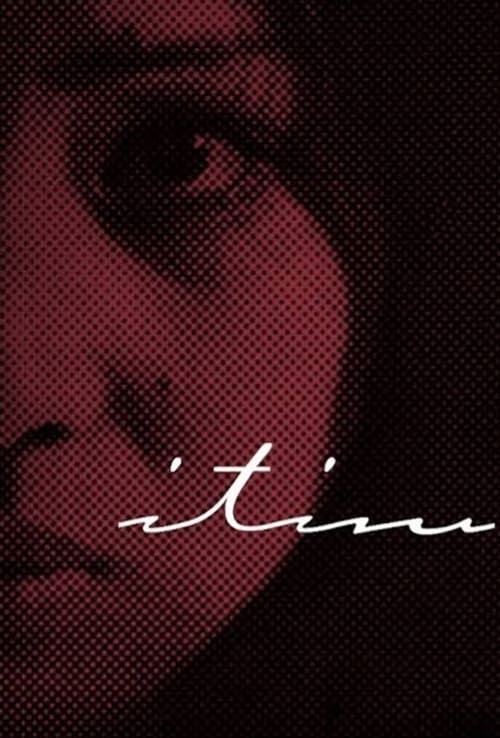
Mike de Leon’s *Itim* employs the horror genre to dismantle provincial gothic themes and delve into the psychological impacts of familial dysfunction. By shifting the focus from supernatural events to the psychological consequences of a disappearance, the film offers a fresh take on horror. Though the film disrupts Western cinematic norms through its Philippine setting, it falls short in explicitly representing LGBTQ+ and disability identities. The narrative largely adheres to traditional dramatic and straight-centered structures. The film’s strength lies in its portrayal of the family as a site of unresolved trauma, rather than a safe haven.
Category Breakdown
The film focuses on heterosexual and cisgender relationships without addressing non-cisgender identities or questioning the assumption that everyone is straight.
Women play key roles in driving the story and resolving the central mystery, highlighting their experiences and trauma rather than traditional male-centric plots.
Set in the Philippines, the film presents a non-Western perspective that challenges Western horror conventions by focusing on a non-Anglo-Saxon cultural context.
The movie critiques oppressive provincial family structures and local authorities, using supernatural elements to reveal hidden societal secrets and challenge traditional hierarchies.
Psychological haunting and possession are used as plot devices, but there is little evidence of characters with disabilities having significant control over their own stories.
Present on Screen
Limited or Absent
Official Synopsis
During a return to his provincial home, a young man gets involved with a woman who is ultimately possessed by her sister's spirit, paving the way to revealing the painful truth about her unsolved disappearance.
2014
2007

2021

2017
1973

1974

2016

2004
No reviews yet. Be the first to share your thoughts on this movie!
Use the rating form above to leave a star rating and optional review.