
Kulimlim
2004
No user ratings available yet
Representation score: 3.0 out of 10
Representation Score
Limited
1974
Director
Ramdjan Abdoelrahman
Runtime
78 minutes
Average Rating
No ratings yetNew Showbiz Analysis
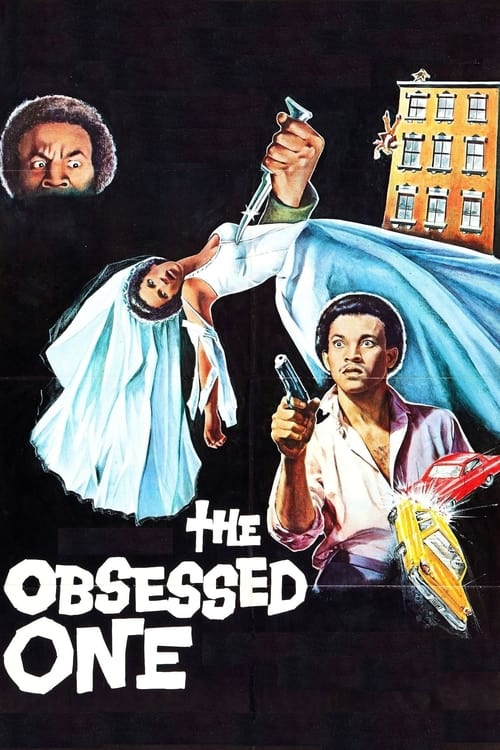
The Obsessed One is a genre-driven thriller that gains its strength from its unique setting. Filming in Suriname allows the production to break away from the Western-centric dominance typical of 1970s action-horror films. However, the narrative leans heavily on conventional clichés. The plot revolves around traditional gender roles and a male-driven revenge arc, limiting the complexity of character development and characters who reflect more than one aspect of diversity. While the localized setting offers a non-Western viewpoint, the thematic content remains anchored in traditional, individualistic retribution rather than a nuanced social critique.
Category Breakdown
The film centers on a heterosexual couple and a traditional revenge storyline. It does not include any non-binary or transgender characters or narratives that question the assumption that everyone is straight or cisgender.
The story follows a traditional tragedy where a female character serves mainly as a catalyst for the male protagonist's journey. Her role is limited, and she does not play a significant role in driving the story.
Filmed in Suriname, the movie presents a departure from Western-centric settings. The cast likely reflects the local demographics, featuring actors of diverse backgrounds.
The story examines justice outside formal legal systems through a vigilante framework. It highlights the tension between the individual and state authority within its specific cultural context.
The synopsis does not mention any characters with visible or invisible disabilities.
Present on Screen
Limited or Absent
Official Synopsis
Three thugs assault a newlywed couple, raping and murdering the bride. The groom is accused of murder, but escapes from the police and hunts down the perpetrators. Filmed in Suriname.
2004

1978

2022

2010
1976

1983

1989

1974
No reviews yet. Be the first to share your thoughts on this movie!
Use the rating form above to leave a star rating and optional review.