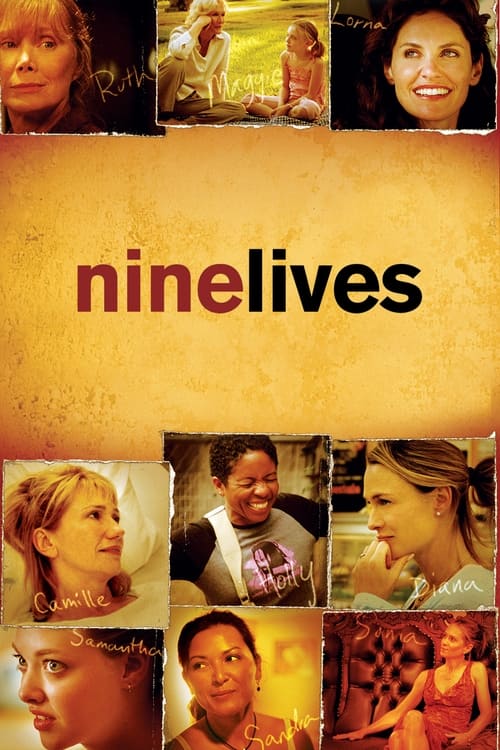
Nine Lives
2005
No user ratings available yet
Representation score: 7.9 out of 10

Representation Score
Excellent
2000
PG-13Director
Rodrigo García
Runtime
109 minutes
Average Rating
No ratings yetNew Showbiz Analysis
Rodrigo García’s film succeeds as a sophisticated character study by utilizing a fragmented, postmodern anthology structure. This mosaic approach prioritizes a collective feminine perspective, effectively disrupting traditional male-centric storytelling hierarchies. The film excels in its commitment to female autonomy, presenting women as complex individuals with significant influence over their lives. By focusing on their internal vulnerabilities and intellectual lives, the narrative moves beyond simple clichés. While the film offers a nuanced look at diverse socioeconomic and ethnic backgrounds, some representations remain subtle. The exploration of non-traditional relationships and disability provides emotional depth without relying on heavy-handed plot devices.
Category Breakdown
The film examines unconventional relationship structures and non-traditional family dynamics. Although specific LGBTQ identities are not explicitly confirmed, the narrative focuses on secrets and intimacy that deviate from assumptions about straight relationships.
The film centers entirely on the internal lives and roles of women. Characters such as medical professionals and caregivers are defined by their own emotional complexities rather than their relationships to men.
An ensemble cast reflects a multi-ethnic social fabric within an urban Los Angeles setting. The narrative avoids monolithic depictions, integrating diverse backgrounds into nuanced character studies.
The story prioritizes individual experience and spiritual guidance, such as tarot readings, over institutional stability. It explores situational ethics and the subjective nature of truth through personal secrets.
Themes of physical and emotional debilitation appear through a character's lover facing a debilitating illness. These elements serve as catalysts for emotional realism rather than becoming a spectacle.
Present on Screen
Limited or Absent
Official Synopsis
In California, a group of women struggle with personal problems as their paths intertwine in unexpected ways. Dr. Elaine Keener, the sole caretaker for her aging mother, turns to tarot card reader Christine for spiritual aid. Christine grapples with her own angst due to her lover's debilitating illness. Meanwhile, a bank manager deals with an unwanted pregnancy, two sisters pursue romantic interests and a housewife gets back into the dating game.
2005

1999

2002

2007

2002
1997

2004

2000
No reviews yet. Be the first to share your thoughts on this movie!
Use the rating form above to leave a star rating and optional review.