Weakness
2010
No user ratings available yet
Diversity score: 3.6 out of 10
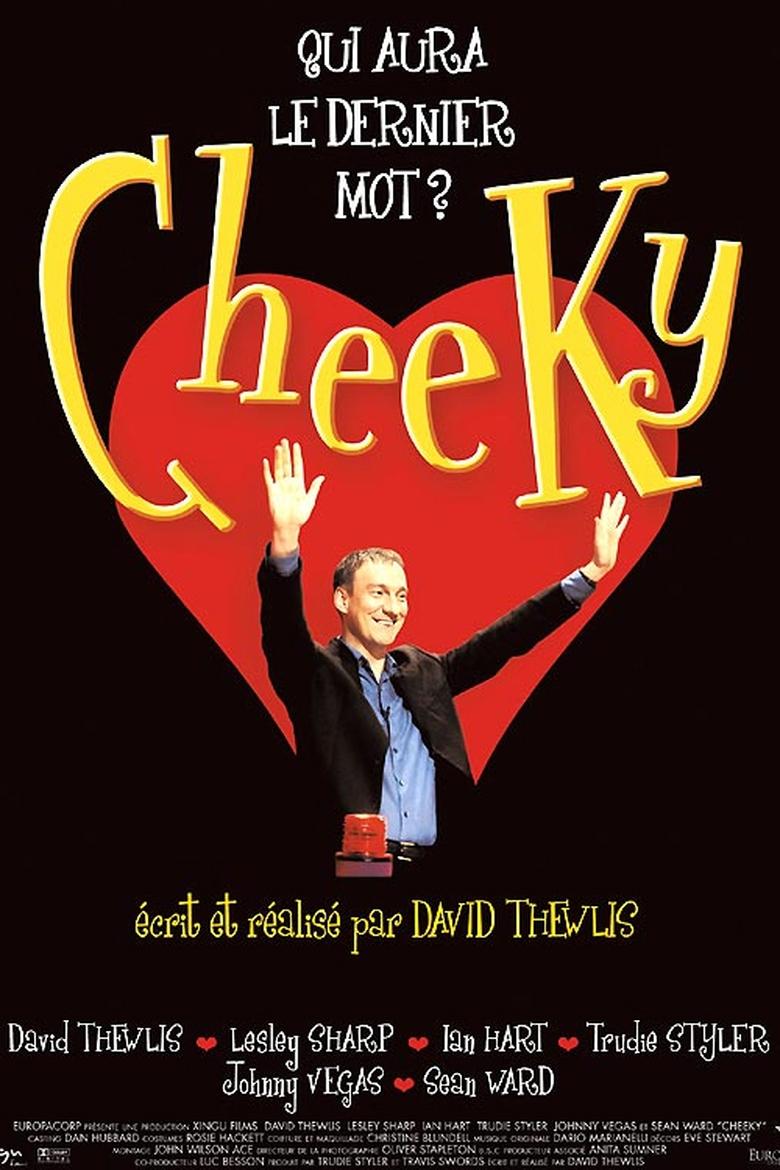
2003
Director
David Thewlis
Runtime
94 minutes
Average Rating
No ratings yetSynopsis
Consumed with sadness after the death of his wife and subsequent rejection from his son, a widower, at the urging of his friends, opts to appear on a vulgar, wildly popular game show (for which his wife signed him up) and watches his life start to change for the better.
Overall Score
Limited
Category Breakdown
LGBTQ+ Representation
The story centers on a widower and his traditional marriage. There is no evidence of LGBTQ+ characters or critiques of heteronormativity.
Gender Representation
The film focuses on a male protagonist's emotional journey. While it explores male vulnerability, the wife's role is primarily a catalyst through her absence.
Racial & Ethnic Diversity
The narrative appears to follow a conventional demographic presentation. There is no indication of a diverse or non-Anglo-Saxon majority cast.
Religious & Cultural Diversity
The film examines grief and media influence through a personal lens. It lacks a systemic critique of Western institutions or cultural ideologies.
Disability Representation
No specific portrayals of physical or neurodivergent disabilities are present. The narrative only touches upon the universal experience of grief.
Strengths
Areas for Improvement
AI Analysis
Cheeky functions as a conventional character study centered on a male protagonist's grief and familial estrangement. While the film offers a departure from stoic masculinity by exploring emotional vulnerability, the narrative remains anchored in traditional social structures. The production lacks intentionality regarding intersectional representation. The focus stays on a localized, personal tragedy rather than challenging broader social hierarchies or providing diverse casting perspectives. Ultimately, the film reflects the character-driven, traditional dramatic style of the early 2000s, prioritizing individual emotional arcs over systemic or cultural subversion.
2010

2015

2014

2014
2002
1972

2019
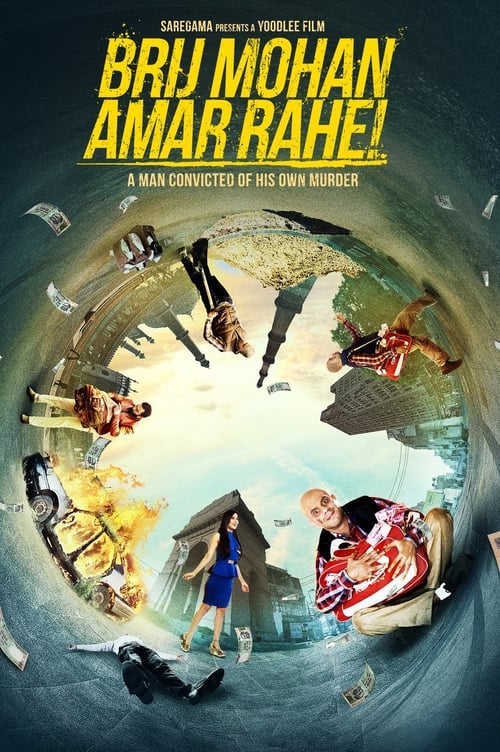
2018
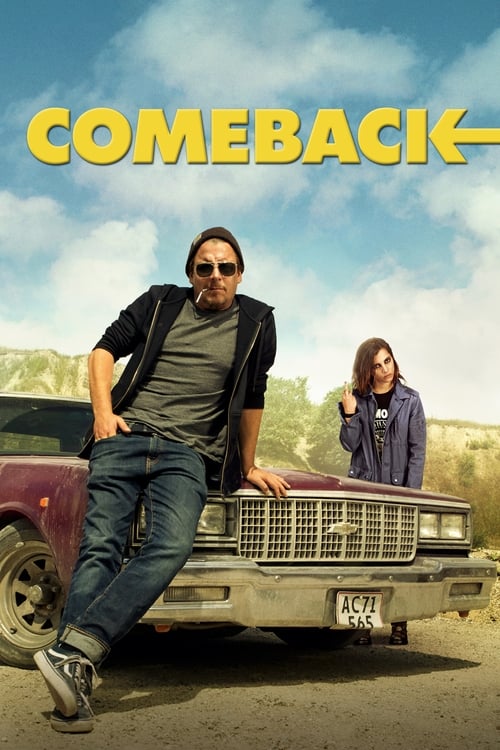
2015

2018
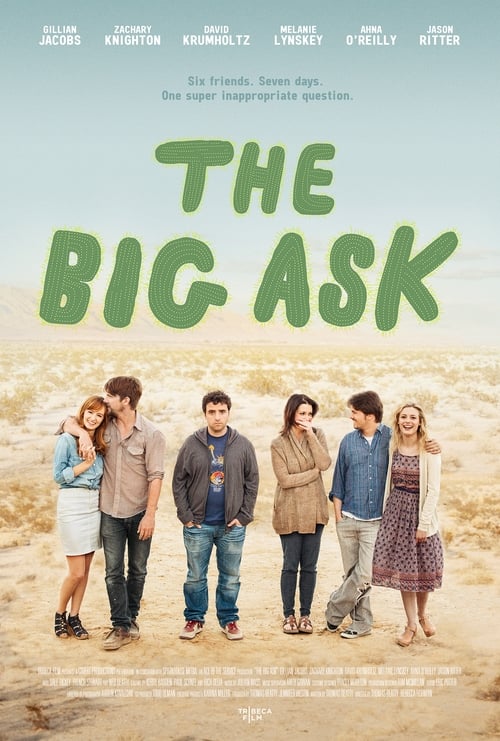
2014
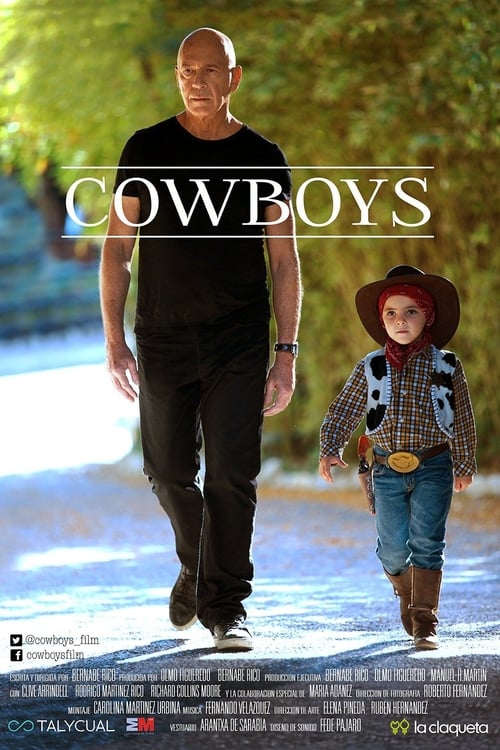
2014
No reviews yet. Be the first to share your thoughts on this movie!
Use the rating form above to leave a star rating and optional review.