The Fool
2018
No user ratings available yet
Diversity score: 1.4 out of 10
2007
Director
Michael Eaton, Timothy Eaton
Runtime
71 minutes
Average Rating
No ratings yetSynopsis
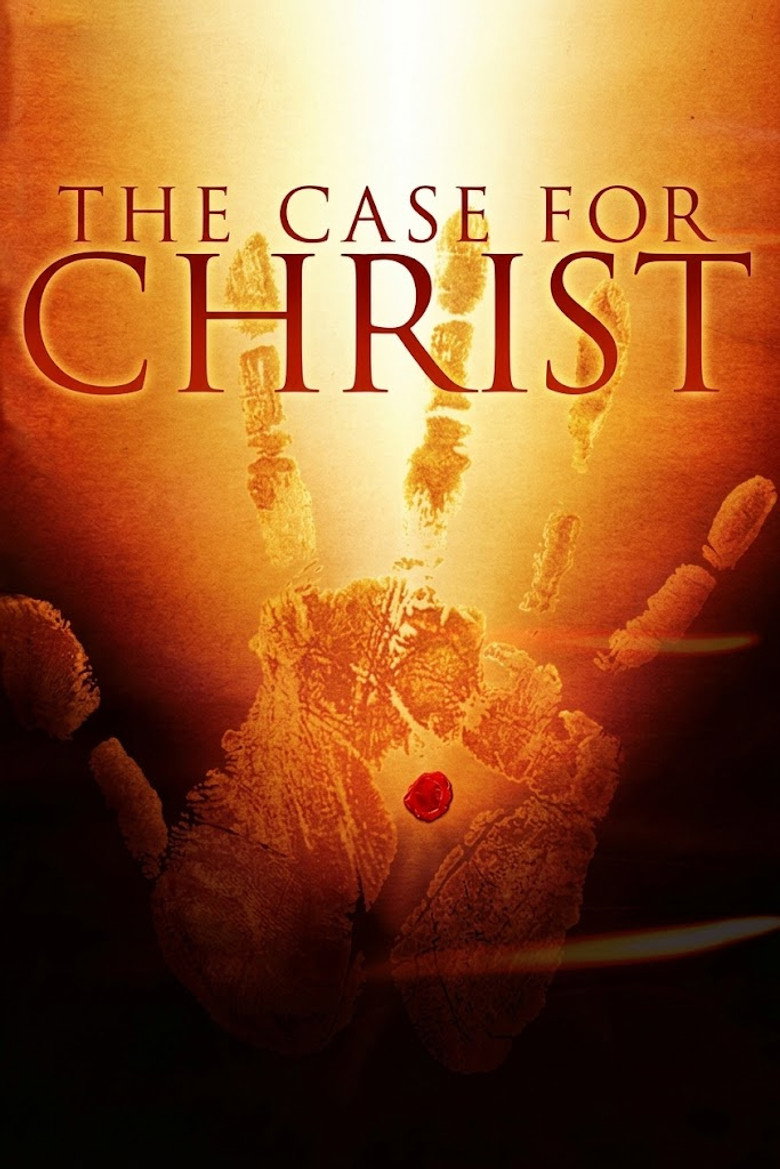
Based upon the Gold-Medallion award-winning best-seller, The Case for Christ documents Lee Strobel's journey from atheism to faith through his two-year investigation of the Bible and the life of Jesus Christ.
Overall Score
Minimal
Category Breakdown
LGBTQ+ Representation
The film focuses on religious conversion and biblical investigation. It lacks narratives involving non-cisnormative identities and appears to reinforce traditional moral structures.
Gender Representation
The documentary centers on Lee Strobel's intellectual journey. There is no evidence of female characters exercising agency or challenging patriarchal hierarchies.
Racial & Ethnic Diversity
The narrative centers on the personal history of a Western individual. It lacks a non-white majority cast or diverse casting to challenge racial norms.
Religious & Cultural Diversity
The film promotes singular Christian morality and religious certainty. It endorses traditional Western religious institutions rather than exploring secular or pluralistic perspectives.
Disability Representation
The documentary provides no evidence regarding the inclusion or portrayal of individuals with physical or neurodivergent disabilities.
Strengths
Areas for Improvement
AI Analysis
The Case for Christ is a biographical documentary centered on a single individual's transition from atheism to faith. Its narrative architecture is designed to validate traditional theological frameworks and Western religious institutions. Because the film functions as religious apologetics, it prioritizes the reinforcement of established belief systems. This focus results in a lack of intersectional representation or the disruption of conventional social hierarchies. The work maintains a homogeneous perspective, centering on a Western viewpoint that does not actively engage with diverse cultural, racial, or gendered identities.
2018

2018

2013
2018
2016
2017
2009
2021
2018
1978
2007

2017
No reviews yet. Be the first to share your thoughts on this movie!
Use the rating form above to leave a star rating and optional review.