
A New Life
1993
No user ratings available yet
Representation score: 7.9 out of 10
Representation Score
Good
1999
PG-13Director
Steven Maler
Runtime
110 minutes
Average Rating
No ratings yetNew Showbiz Analysis
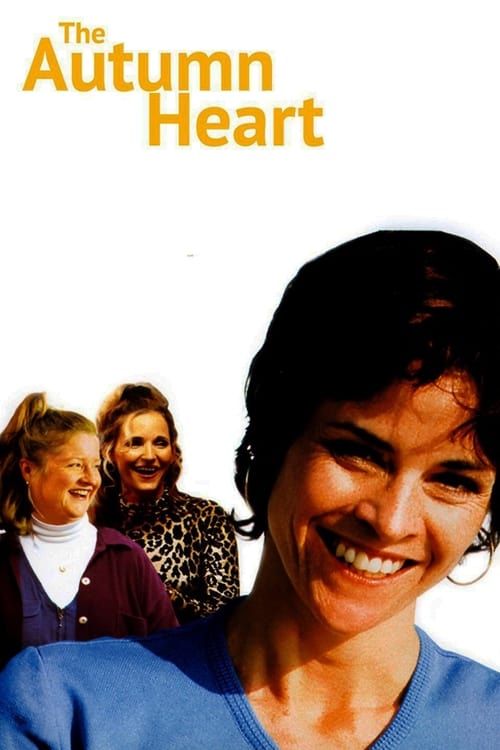
The Autumn Heart stands out by deeply exploring identity beyond simple inclusion. It centers queer stories and dismantles traditional family structures, offering a nuanced look at emotional vulnerability and non-traditional relationships. While the film excels in challenging gender stereotypes and focusing on underrepresented identities, it falls short in terms of racial and ethnic diversity. The cast seems largely uniform, missing chances for broader storytelling that reflects multiple aspects of identity. Overall, it's a meaningful independent film that challenges societal norms while prioritizing personal emotional experiences, though it could improve in representing race and disability.
Category Breakdown
The film focuses on the lived experiences and emotional journeys of LGBTQ+ individuals, making their relationships and struggles central to the story.
The movie challenges traditional ideas of masculinity by highlighting male emotional vulnerability and sensitivity rather than toughness or dominance.
The film appears to focus on a relatively homogeneous cast within a contemporary urban setting. There is insufficient evidence of significant racial or ethnic the way different parts of someone's identity overlap or the subversion of Anglo-centric casting.
The story explores personal identity and truth, breaking down traditional Western family structures by showing the breakdown of the nuclear family.
A medical issue kicks off the plot, but the film doesn't delve deeply into disability as a core identity or give much ability to act to characters dealing with chronic conditions.
Present on Screen
Limited or Absent
Official Synopsis
When a school bus driving woman (Tyne Daly) has a heart attack, she makes one request of her three daughters (Ally Sheedy, Marla Sucharetza, Marceline Hugo) - she wants them to find their long lost brother, who was taken away by their father (Jack Davidson) 16 years ago. What they discover is that while they have struggled, their father has become a wealthy man and their brother is in school at Harvard.
1993
1995
1986

2018
1991

1989
2001

1957
No reviews yet. Be the first to share your thoughts on this movie!
Use the rating form above to leave a star rating and optional review.