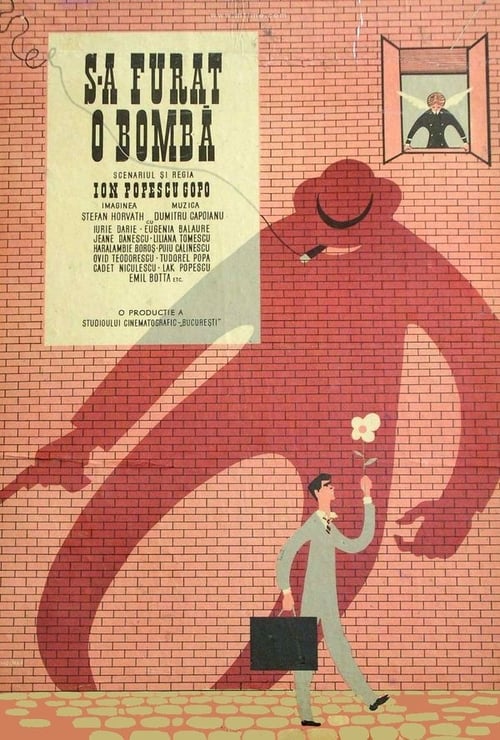
A Bomb Was Stolen
1962
No user ratings available yet
Representation score: 0.6 out of 10
Representation Score
Limited
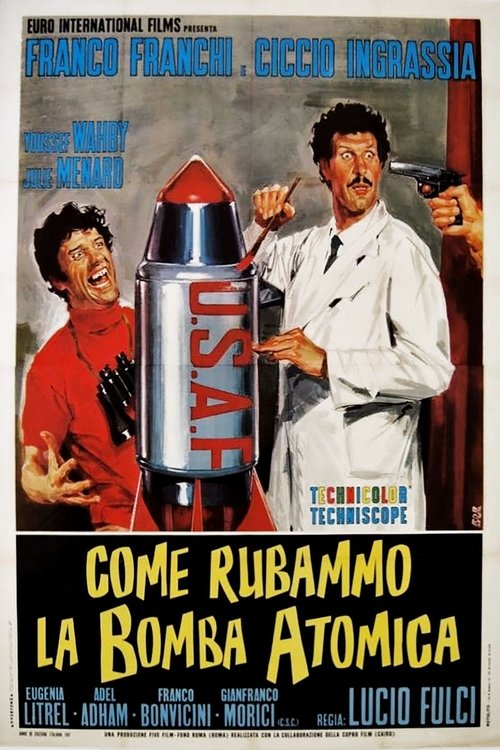
1968
Director
Lucio Fulci
Runtime
90 minutes
Average Rating
No ratings yetNew Showbiz Analysis
How We Stole the Atomic Bomb is a genre-driven comedy that relies heavily on the masculine-driven clichés of 1960s adventure cinema. The plot is propelled by male characters engaged in espionage and physical pursuits, leaving little room for diverse social hierarchies. While the Mediterranean setting suggests a cross-cultural encounter, the perspective remains largely Eurocentric. The film prioritizes stylistic genre experimentation over intentional multi-layered character development. Ultimately, the film functions as a critique of institutional stability rather than a vehicle for progressive representation. It remains anchored in the conventional social structures of its era.
Category Breakdown
The film focuses on a male-centric pursuit between a fisherman and a spy. There is no evidence of non-straight identities or same-sex intimacy.
Narrative ability to act is concentrated in male protagonists and a male antagonist. The power dynamics center on masculine roles in espionage and physical retrieval.
The Mediterranean setting offers potential for ethnic diversity. However, the plot centers on Western perspectives involving an Italian fisherman and U.S. military elements.
The story critiques global institutions through a sinister spy organization. It frames geopolitical volatility as a catalyst for individualistic, chaotic morality.
The narrative provides no information regarding characters with visible or invisible disabilities.
Present on Screen
Limited or Absent
Official Synopsis
Franco, an Italian fisherman, witnesses a U.S. Air Force plane crash in the Mediterranean off Egypt carrying a nuclear weapon, and he is then persued by shady spy, named Ciccio, working for a spy organization led by the sinister Dr. Si (Yes) to find the atom bomb before anyone else does to blackmail the world, which leads to Franco and Ciccio forming an unlikely alliance to get the bomb for themselves.
1962
1974
1964

1949
1966
1959
1967
1956
No reviews yet. Be the first to share your thoughts on this movie!
Use the rating form above to leave a star rating and optional review.