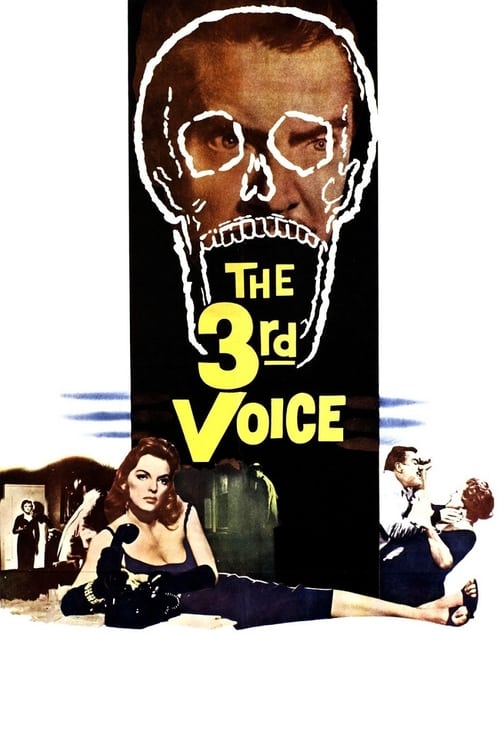
The 3rd Voice
1960
No user ratings available yet
Representation score: 0.4 out of 10
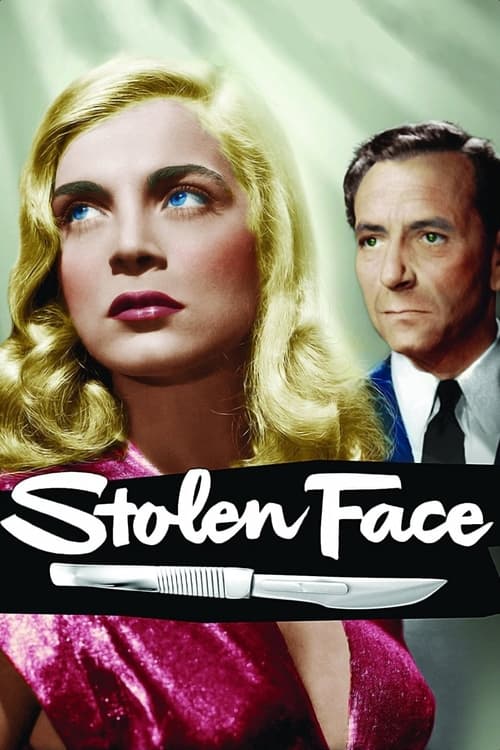
Representation Score
Minimal
1952
NRDirector
Terence Fisher
Runtime
72 minutes
Average Rating
No ratings yetNew Showbiz Analysis
Stolen Face is a psychological melodrama deeply rooted in the social hierarchies of the early 1950s. The narrative prioritizes individual obsession and professional ethics over any exploration of diverse identities or systemic power dynamics. While the film offers a complex look at the psychological impact of physical transformation, it remains tethered to traditionalist frameworks. The storytelling relies on established genre conventions rather than challenging social norms. Ultimately, the film functions as a product of its era, presenting a singular, Western demographic and a conventional romantic structure that lacks diverse representation.
Category Breakdown
The film follows a strictly heterosexual structure, focusing entirely on a male surgeon's romantic obsession with two women and offering no representation of LGBTQ+ identities.
The male protagonist drives the plot through his medical expertise, while female characters primarily serve as romantic catalysts or recipients of his surgical interventions.
The cast is predominantly homogeneous, reflecting the standards of 1952 British studios. There are no non-Anglo-Saxon characters or race-blind casting practices.
The story reinforces traditional Western morality and institutional stability, centering on professional ethics and romantic devotion without challenging existing social or religious norms.
Physical disfigurement drives the central plot and psychological tension. The film avoids sentimentalizing the condition, focusing instead on the darker consequences of identity alteration.
Present on Screen
Limited or Absent
Official Synopsis
A plastic surgeon changes the face of a female convict to match that of the beautiful woman who broke his heart and left him. He marries the convict but trouble starts when his true love returns.
1960
1937
1951
1964
1957
1960
1960
1954
No reviews yet. Be the first to share your thoughts on this movie!
Use the rating form above to leave a star rating and optional review.