
The Mafia
1972
No user ratings available yet
Diversity score: 2.7 out of 10
1979
Director
Miguel Faria Jr.
Runtime
105 minutes
Average Rating
No ratings yetSynopsis
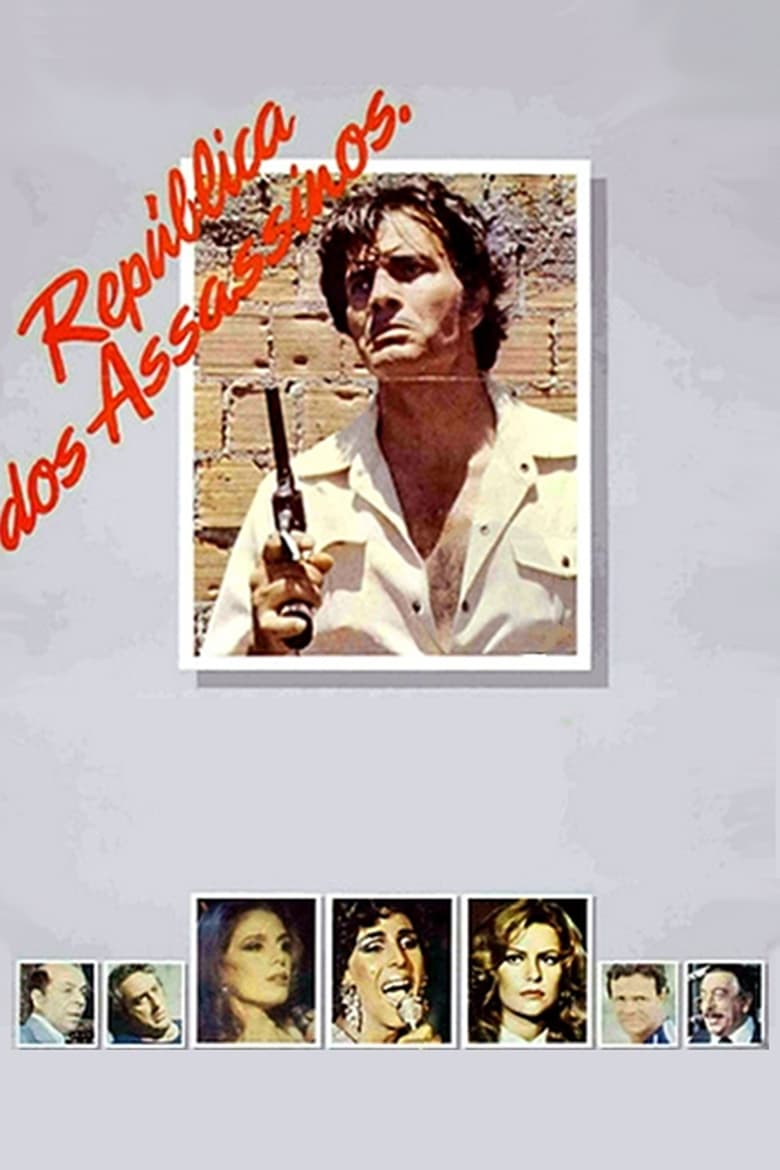
In 1970, the Esquadrão da Morte (Death Squad)' crimes for the refinement of violence provoked a wave of reactions throughout the country. The photos of the victims, adorned by the skull, symbol of the group, caused an uncomfortable indignation. This is the story of Mateus Romeiro, the most famous of the policemen, who was part of the Homens de Aço (Steelmen) group, one of the factions in which the squadron was divided.
Overall Score
Fair
Category Breakdown
LGBTQ+ Representation
The film contains no evidence of LGBTQ+ characters or narratives. There is no engagement with non-heteronormative identities in the story.
Gender Representation
The narrative centers on male-dominated police factions and death squads. Agency is primarily attributed to male protagonists like Mateus Romeiro, following traditional crime genre conventions.
Racial & Ethnic Diversity
The film is set in a specific Brazilian context, but the racial composition of the cast is not detailed. The score reflects regional authenticity without specific intersectional depth.
Religious & Cultural Diversity
The story challenges institutional narratives by critiquing state-sanctioned violence. It disrupts the portrayal of state authority through the lens of systemic corruption and social indignation.
Disability Representation
There is no information regarding the portrayal of physical or neurodivergent characters. No disability narratives are present in the known material.
Strengths
Areas for Improvement
AI Analysis
República dos Assassinos is a crime drama that prioritizes a critique of systemic violence over demographic inclusivity. It focuses on the historical phenomenon of Brazil's Death Squads and the internal dynamics of police factions like the Homens de Aço. The film's strength lies in its interrogation of power and the social fallout of extrajudicial killings. However, it lacks visible markers of identity-based representation, particularly regarding LGBTQ+ and disability narratives. Ultimately, the work functions as a genre-driven study of institutional corruption. It achieves moderate progressive value by deconstructing the perceived legitimacy of state authority rather than through explicit diversity.
1972

1977
2008

1971

1967

1970

1977
1988

1975
1974
1985
1975
No reviews yet. Be the first to share your thoughts on this movie!
Use the rating form above to leave a star rating and optional review.