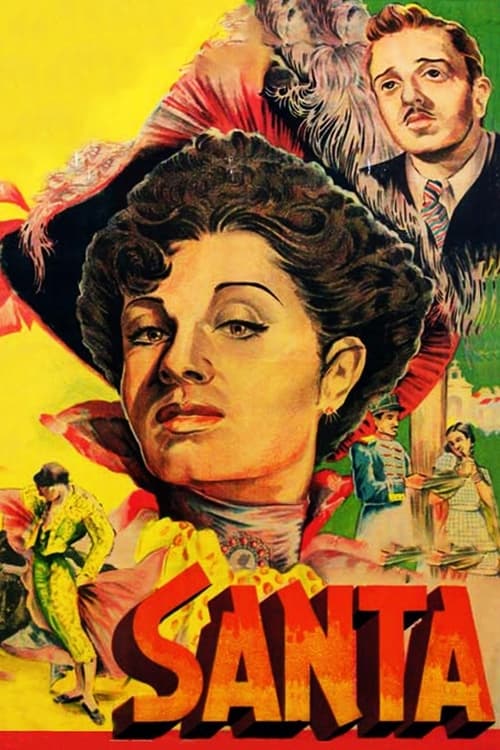
Santa
1943
No user ratings available yet
Representation score: 5.6 out of 10

Representation Score
Good
1932
Director
Antonio Moreno
Runtime
81 minutes
Average Rating
No ratings yetNew Showbiz Analysis
Santa is a social melodrama that examines the systemic displacement of women and the fragility of reputation in 1930s Mexico. The film grounds its drama in a specific regional identity, moving away from the homogeneous Western perspectives common in early cinema. However, the narrative remains confined by traditional structures. The protagonist's journey is defined by victimization and social decline, and the lack of diverse sexual identities or neurodivergent complexity keeps the score moderate. Ultimately, the film offers a meaningful critique of traditional community hypocrisy and the conditional nature of family loyalty, providing a foundation of nuanced representation for its era.
Category Breakdown
The film focuses solely on heterosexual relationships and social status, with no representation of LGBTQ+ identities or subtext.
The story revolves around a woman's struggle against aggressive male figures. Despite evolving from a humble girl to a cynical woman, her initial lack of control limits her empowerment.
The film strongly represents Mexican identity by focusing on Chimalistac. It avoids a Western perspective by highlighting specific regional social nuances.
The narrative challenges the idea of a supportive family unit, portraying it as punitive. It explores underrepresented social strata through its setting.
Hipólito, a blind pianist, introduces disability into the story. His silent love for the protagonist offers a nuanced connection that deviates from typical romantic clichés.
Present on Screen
Limited or Absent
Official Synopsis
Santa is a beautiful and very humble young girl living in Chimalistac, a small and quiet spot south of the 1930's Mexico City. After Santa is cheated by arrogant soldier Marcelino, she's rejected by her family and friends and expelled of Chimalistac. Santa finds shelter in a whorehouse and becomes a cinic and bitter woman, mistreated by bullfighter "Jarameno" and silently loved by blind pianist Hipólito.
1943

1929
1918
1954
1943
1949
1972
1947
No reviews yet. Be the first to share your thoughts on this movie!
Use the rating form above to leave a star rating and optional review.