Masks
1999
No user ratings available yet
Representation score: 5.3 out of 10
Representation Score
Fair
1990
Director
Richard Starzak
Runtime
5 minutes
Average Rating
No ratings yetNew Showbiz Analysis
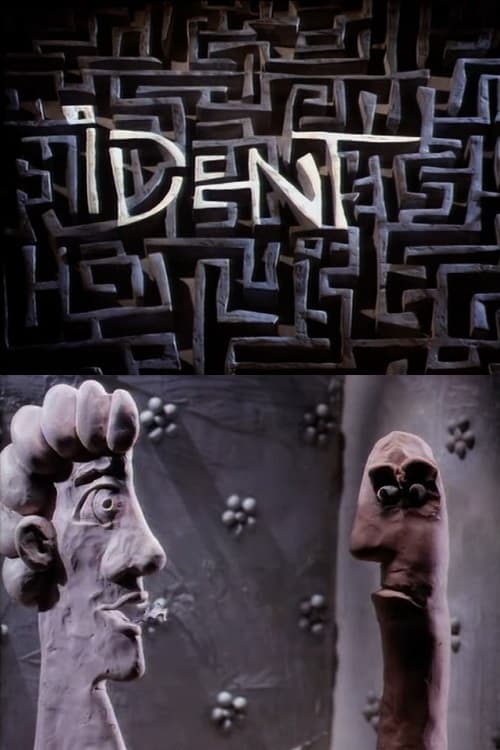
Ident is a conceptually dense animation that prioritizes philosophical inquiry over demographic visibility. It uses surrealism to deconstruct social structures, focusing on the tension between systemic homogenization and individual authenticity. The film's strength lies in its abstract subversion of social norms. By showing a protagonist who changes his appearance to fit his environment, the film critiques the performative nature of social integration and the oppressive nature of organized society. However, the film lacks explicit markers of diversity. The minimalist, post-humanist visual language and the focus on a singular experience result in limited representation of racial and gender diversity.
Category Breakdown
The film uses the protagonist's shifting face as a metaphor for identity fluidity. While there are no explicit depictions of same-sex intimacy, the central idea challenges the notion of a fixed, heterosexual identity.
The narrative avoids traditional domestic hierarchies and romantic subplots, which helps prevent reinforcing patriarchal structures. However, the focus on a single protagonist limits the variety of gendered characters.
A colorless city setting strips away racial signifiers, creating a sterile, universalized landscape. This avoids stereotyping but also fails to actively include diverse ethnic identities.
The film offers a strong critique of Western institutionalism and bureaucratic structures. The transition from a monochromatic city to a colorful outdoors symbolizes a rejection of systemic rigidity.
There are no specific depictions of physical or neurodivergent disabilities. The protagonist's changing visage is treated as a metaphysical condition rather than a clinical disability.
Present on Screen
Limited or Absent
Official Synopsis
Explores the nature of man, not only with feet of clay, but with a face of clay as well. Within a colourless city of walls, corridors, and small rooms, a man makes his way from home to work, then to a bar, and then, by a stroke of luck, into an outdoors of space, fresh air, and colour. Along the way, he changes his face to fit his surroundings, interacts with his dog, argues with co-workers, and gossips at a bar. His altering of his visage suggests a two-faced nature, and his stepping into the outdoors provides the ultimate test of his real identity.
1999
1988
2009
1988
2013

1957
1995
1975
No reviews yet. Be the first to share your thoughts on this movie!
Use the rating form above to leave a star rating and optional review.