The Love Songs of Tiedan
2012
No user ratings available yet
Diversity score: 6.3 out of 10
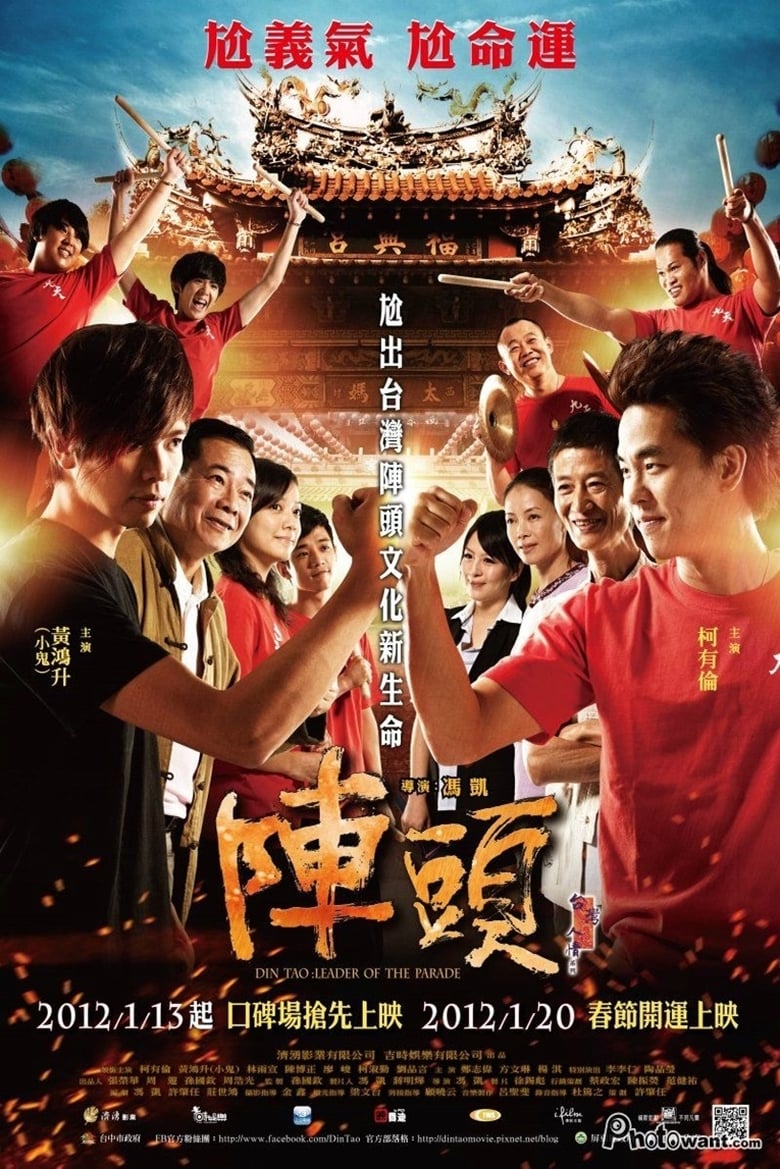
2012
Director
Fung Kai
Runtime
124 minutes
Average Rating
No ratings yetSynopsis
A-Tai (Alan Ko) narrates that he is the son of Uncle Da (Chen Po-cheng) and Aunt Da (Samantha Ko), who run a troupe in Taichung. Uncle Da's troupe does traditional performance in front of religious processions. The religion requires performers to "initiate the faces and pose as gods"—to put on a special face painting, or to put on a heavy body puppet costume, both of these represent gods' persona. The performance demands training of martial art, acrobatics and endurance, and the performers are negatively associated with gangsters by the society. Uncle Da has been competing with Wu-cheng (Liao Jun), who studied with Uncle Da under the same master. A-Tai grew estranged with his father and the troupe, and went to Taipei to study Rock music, until a mysterious old man in blue coat bids him home.
Overall Score
Fair
Category Breakdown
LGBTQ+ Representation
The narrative focuses on familial lineage and traditional troupe structures. There is no explicit evidence of LGBTQ+ characters or non-heteronormative identities within the story.
Gender Representation
The film explores tensions between patriarchal lineage and individual agency. While Aunt Da is present, the focus on martial arts traditions suggests a reliance on conventional gendered social structures.
Racial & Ethnic Diversity
The film provides cultural depth by centering on the specific regional identity of Taichung religious procession troupes. It elevates niche folk practices to challenge mainstream urban culture.
Religious & Cultural Diversity
The story excels at critiquing social hierarchies and the stigma surrounding performers. It deconstructs the negative association between troupes and gangsters, reclaiming dignity for these practitioners.
Disability Representation
There are no visible or mentioned depictions of physical, neurodivergent, or mental health disabilities in the work.
Strengths
Areas for Improvement
AI Analysis
Din Tao: Leader of the Parade is a culturally specific drama that finds its strength in the reclamation of dignity for a marginalized subculture. By centering on the traditional religious procession troupes of Taichung, the film challenges the social stigma that often associates these performers with criminality. While the film offers a nuanced look at traditional identities and the preservation of non-Western ritualistic practices, it lacks breadth in other areas. The narrative remains largely centered on traditional patriarchal structures and familial lineage. Ultimately, the film serves as a social critique of how society perceives outsiders. It succeeds in providing a platform for niche cultural heritage, even as it lacks explicit representation for LGBTQ+ or disabled communities.
2012
2010
2020
2002
1996
2012
1996
1992
2021
2025
2011
2025
No reviews yet. Be the first to share your thoughts on this movie!
Use the rating form above to leave a star rating and optional review.