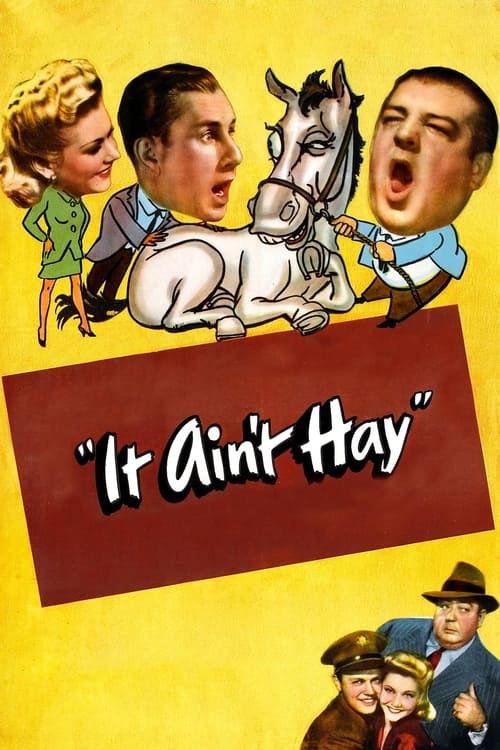
It Ain't Hay
1943
No user ratings available yet
Representation score: 3.0 out of 10
Representation Score
Limited
1952
NRDirector
Chester Erskine
Runtime
86 minutes
Average Rating
No ratings yetNew Showbiz Analysis
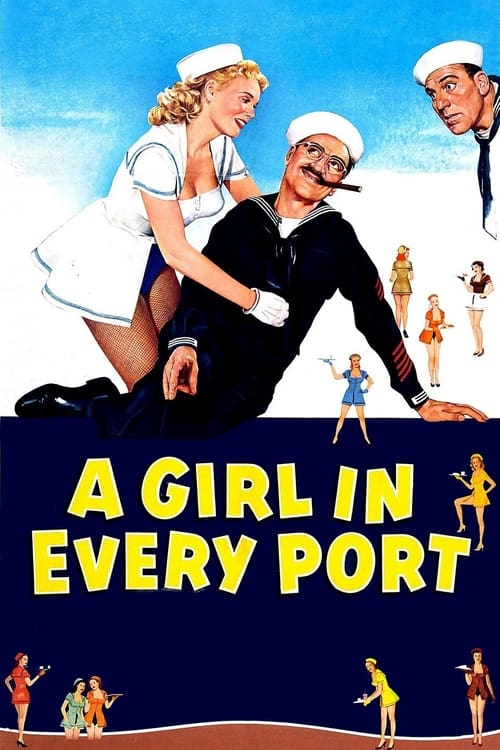
A Girl in Every Port acts as a significant historical maritime travelogue, offering a wide visual spectrum of humanity across the Global South. It documents ethnic groups often ignored by 1950s Western cinema. However, the film is limited by the colonial-era 'outsider gaze.' It observes diverse cultures through a lens of exoticism rather than deep integration, maintaining a descriptive rather than subversive perspective. Ultimately, while visually diverse, the work lacks intentionality in addressing gender hierarchies, disability, or LGBTQ+ identities, remaining anchored in the traditionalist frameworks of its time.
Category Breakdown
The film does not depict any LGBTQ+ identities. It focuses solely on traditional social interactions, providing no visibility for queer lives.
Women are shown mainly in traditional roles such as domestic duties, markets, or community activities. The film upholds existing gender hierarchies without challenging them, lacking women's ability to drive the story.
The documentary offers significant visual exposure to diverse populations across Asia, Africa, and the Middle East. However, it views these groups through an exoticizing, Western-centric lens typical of the era.
The film serves as a descriptive record of global religious and social traditions. It maintains a neutral, observational stance without engaging critically with systemic power or Western institutions.
There is no representation of individuals with visible or invisible disabilities. The focus remains on general maritime commerce and the movement of the general populace.
Present on Screen
Limited or Absent
Official Synopsis
After two sailors are conned into buying a lame race-horse, they go ashore to sort out the problem, but when they realize that the horse is one of a pair of identical twins, their plan for revenge becomes more complicated.
1943
1936
1951
1933
1942
1937

1964

1956
No reviews yet. Be the first to share your thoughts on this movie!
Use the rating form above to leave a star rating and optional review.