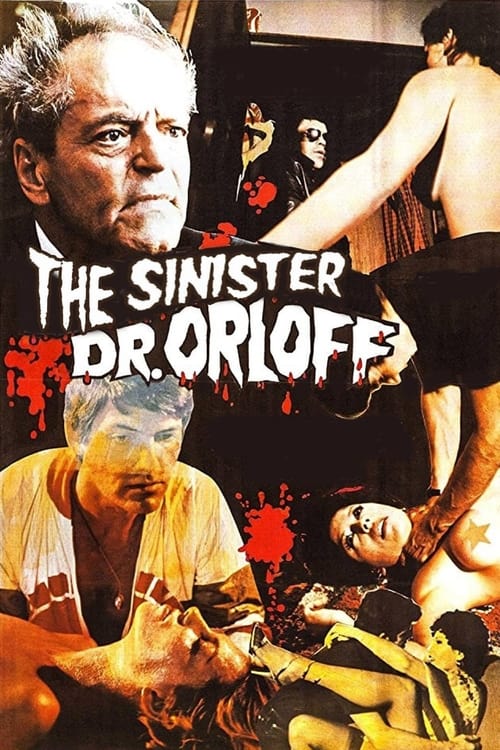
The Sinister Doctor Orloff
1984
No user ratings available yet
Diversity score: 2.7 out of 10

1988
Director
Jesús Franco
Runtime
98 minutes
Average Rating
No ratings yetSynopsis
A detective investigating a missing model in Paris uncovers a plastic surgeon’s horrifying secret.
Overall Score
Limited
Category Breakdown
LGBTQ+ Representation
The film operates within standard erotic-thriller frameworks of its era. There is no documented evidence of non-cisnormative gender identities or narratives that critique heteronormativity.
Gender Representation
Female characters drive the mystery but often function as objects of obsession. While psychological complexity occasionally disrupts their passivity, power dynamics lean toward traditional voyeuristic structures.
Racial & Ethnic Diversity
Set in Paris, the film reflects the homogeneous casting standards of late 1980s European exploitation cinema. There is no evidence of a non-white or non-Anglo-Saxon majority cast.
Religious & Cultural Diversity
The narrative focuses on individual psychological pathology rather than systemic critiques of Western institutions. It lacks explicit engagement with anti-capitalist or anti-Western ideologies.
Disability Representation
The plot involving a plastic surgeon suggests bodily dysmorphia or physical alterations are used as horror devices. There is no evidence of neurodivergent agency or actors with actual disabilities.
Strengths
Areas for Improvement
AI Analysis
Faceless is a genre-driven erotic thriller that adheres to the conventions of 1980s exploitation cinema. The film prioritizes psychological suspense and sensory experience over the subversion of social hierarchies. While the story explores identity through the lens of plastic surgery and obsession, it lacks intersectional depth. The representation remains centered on the tropes of its era, offering little intentionality regarding diverse character agency. Ultimately, the film functions as a study of individual pathology rather than a critique of systemic structures, resulting in a narrow demographic and social scope.
1984
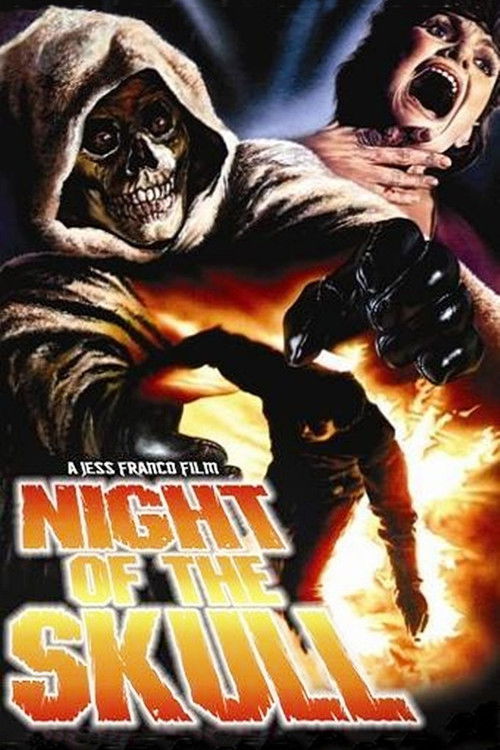
1974

1971
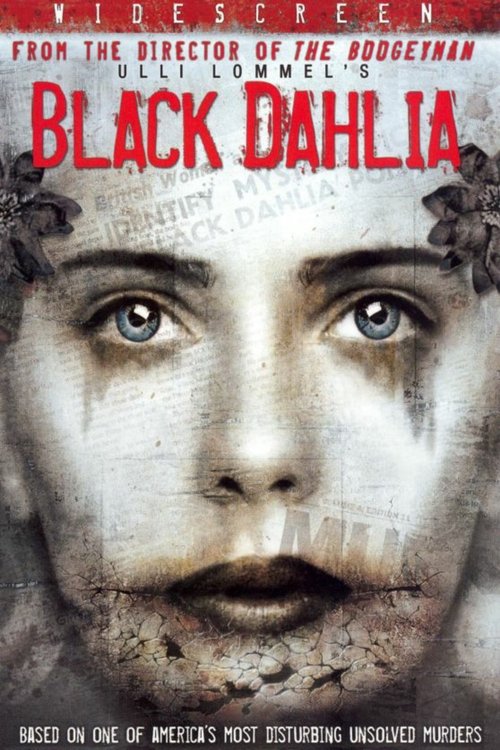
2006
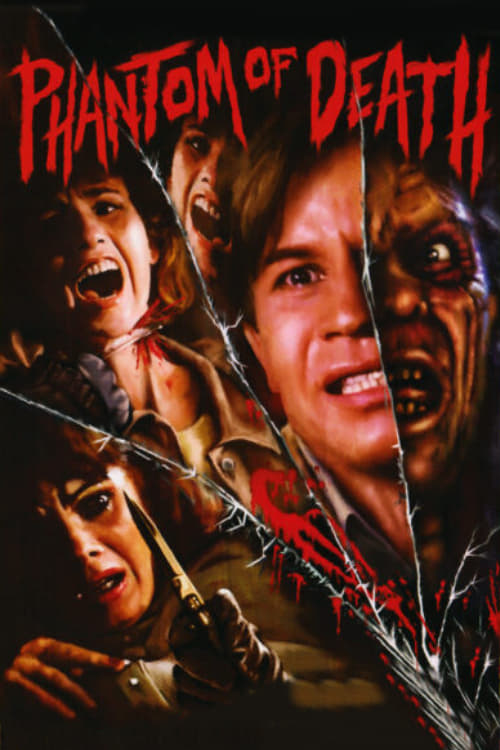
1988
1988

1991
1962

1996
1960
1986

1973
No reviews yet. Be the first to share your thoughts on this movie!
Use the rating form above to leave a star rating and optional review.