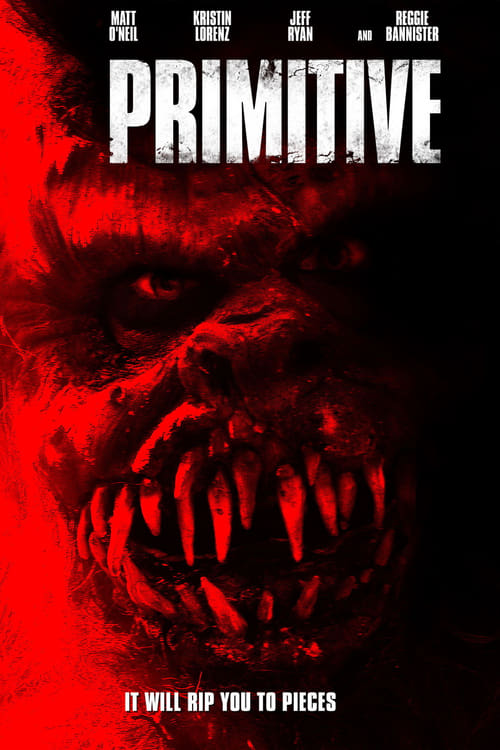
Primitive
2011
No user ratings available yet
Representation score: 4.2 out of 10
Representation Score
Good
2011
TV-MADirector
Pearry Reginald Teo
Runtime
79 minutes
Average Rating
No ratings yetNew Showbiz Analysis
Dead Inside utilizes a diverse ensemble to populate its horror setting, moving away from strictly Anglo-centric casting. The film centers on a female lead whose psychological struggles drive the investigative momentum of the plot. While the film avoids total homogeneity through its multi-ethnic cast, it lacks explicit engagement with LGBTQ+ identities or systemic cultural critiques. The representation of mental health is central, though its effectiveness depends on whether Sarah's condition provides ability to act or serves as a mere horror cliché. Overall, the film offers moderate representation by centering a complex female protagonist and a multifaceted cast, even if it does not pursue high-level systemic subversion.
Category Breakdown
The film focuses on a group of teenagers navigating a high-tension horror environment. There are no explicit LGBTQ+ characters or explorations of non-straight identities within the narrative.
Sarah, the female protagonist, holds central ability to act as she navigates her premonitions. Her psychological state drives the plot's momentum, offering a departure from traditional male-driven action narratives.
The cast features notable ethnic diversity, including actors like Jennifer Zhang and James Adam Lim. This ensemble disrupts the homogeneity often found in Western horror through a multi-ethnic social fabric.
The narrative prioritizes fractured, subjective realities over stable social structures. While it lacks explicit systemic critique, the focus remains on psychological instability and the breakdown of social cohesion.
The protagonist's mental health condition is a central narrative element. Her internal cognitive experiences and visions serve as the primary architecture for the story's unfolding tension.
Present on Screen
Limited or Absent
Official Synopsis
Sarah, a mentally-disturbed teen, has a jarring premonition of her friends' impending deaths one night at a sleepover. As her house guests begin to turn murderously against each other, Sarah must determine whether her visions represent the preventable or the inevitable... or something entirely more sinister.
2011
2015
2016
2003
2010

2019
2014
2011
No reviews yet. Be the first to share your thoughts on this movie!
Use the rating form above to leave a star rating and optional review.