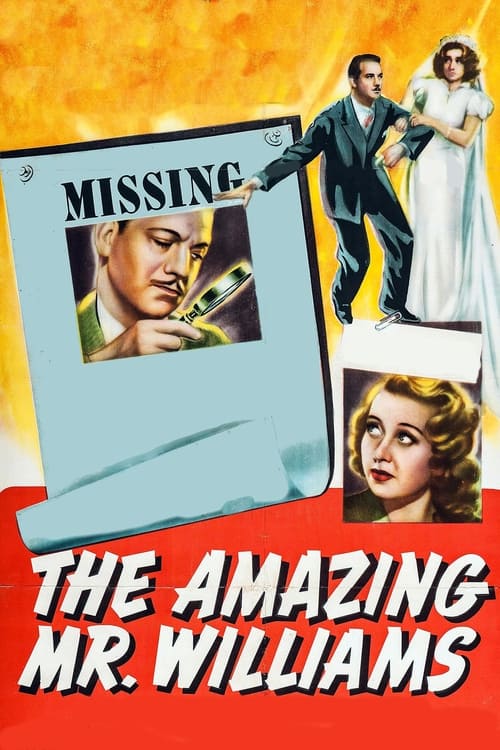
The Amazing Mr. Williams
1939
No user ratings available yet
Diversity score: 2.1 out of 10
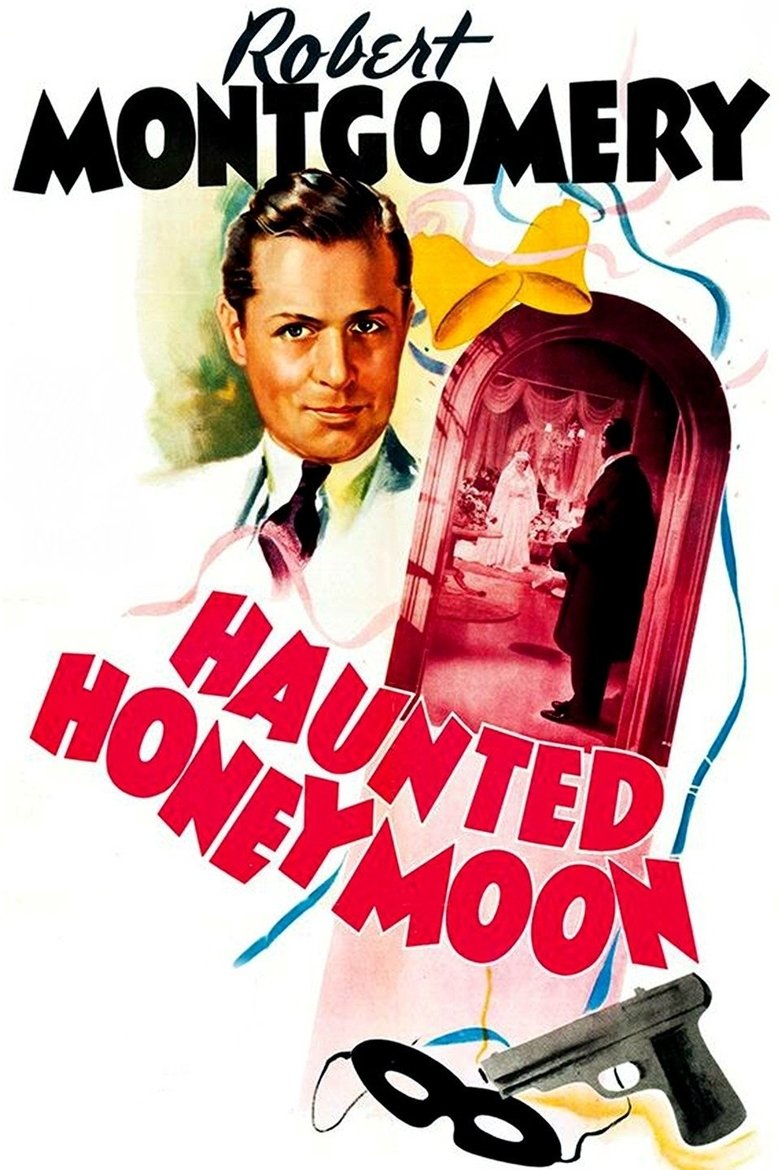
1940
Director
Arthur B. Woods
Runtime
83 minutes
Average Rating
No ratings yetSynopsis
When Lord Peter Wimsey marries Harriet Vane, a crime author, they both promise to give up crime for good. As a wedding present, Peter purchases the old house where Harriet grew up, but when they try to move in the previous owner is nowhere to be found, until they start to clean the house and find his body in the cellar...
Overall Score
Minimal
Category Breakdown
LGBTQ+ Representation
The film lacks any presence of non-heteronormative identities. The romantic core focuses entirely on a traditional marriage between the two protagonists.
Gender Representation
Harriet Vane possesses professional agency as a crime author, yet the story centers on her domestic transition into marriage. Male characters typically occupy the primary investigative and leadership roles.
Racial & Ethnic Diversity
The cast and setting reflect a homogeneous Anglo-Saxon demographic. There is no evidence of diverse ethnic backgrounds within this localized British social milieu.
Religious & Cultural Diversity
The narrative reinforces traditional Western social structures and class standing. It functions as a conventional mystery that upholds the established social order of the 1940s.
Disability Representation
There are no notable depictions of neurodivergence or physical disabilities. Characters appear to function within the bounds of able-bodied norms typical of the genre.
Strengths
Areas for Improvement
AI Analysis
Busman's Honeymoon is a quintessential product of 1940s British cinema, prioritizing established social hierarchies over narrative subversion. The film adheres strictly to the era's conventional storytelling, focusing on a traditional mystery framework that reinforces existing class and gender roles. While the female lead is granted professional identity as an author, the plot ultimately steers her toward domesticity. The lack of intersectional complexity or diverse casting makes this a baseline example of mid-century studio filmmaking.
No reviews yet. Be the first to share your thoughts on this movie!
Use the rating form above to leave a star rating and optional review.