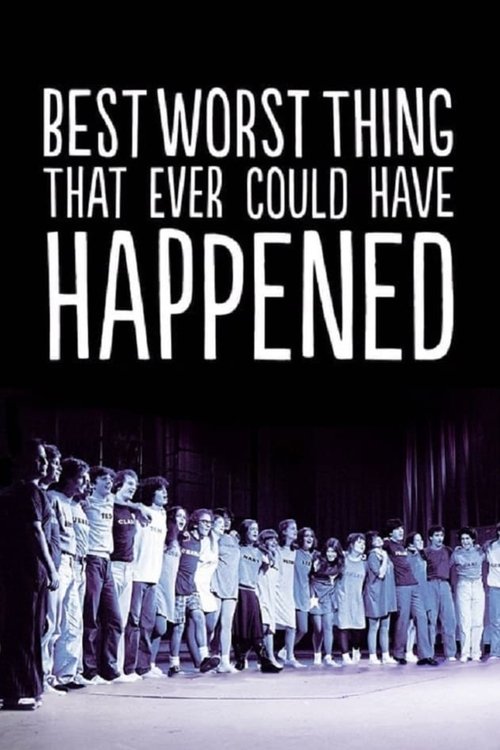
Best Worst Thing That Ever Could Have Happened...
2016
No user ratings available yet
Representation score: 5.2 out of 10

Representation Score
Fair
2018
TV-GDirector
Lonny Price
Runtime
83 minutes
Average Rating
No ratings yetNew Showbiz Analysis
This documentary serves as a detailed historical account of Harold Prince's career, using archival footage and interviews to reconstruct theatrical history. Its diversity is shaped by the era of the productions it documents, reflecting the casting norms of the 20th century. The film successfully elevates the voices of various collaborators, offering a communal perspective on the creative process. It shifts away from autocratic leadership narratives to highlight the collective nature of musical theater. While the archival material limits the scope of modern representation, the inclusion of diverse professional voices provides a nuanced look at the evolution of the industry.
Category Breakdown
The film captures the complex relationship between musical theater and queer identities, highlighting the contributions of legendary collaborators. Though it doesn't focus explicitly on LGBTQ+ issues, it creates a supportive environment for queer artists.
Prominent female figures such as Angela Lansbury and Susan Stroman are highlighted as key contributors to the theatrical canon. Their professional expertise is showcased within a traditionally male-dominated field.
The film reflects the historical casting norms of the mid-to-late 20th century, but contemporary interviews provide a more modern perspective on the industry's evolution beyond these traditions.
The documentary emphasizes the collaborative, non-linear creative processes in the arts, celebrating high art and intellectualism within a communal context.
There is no specific evidence regarding the depiction of physical or neurodivergent disabilities within the film.
Present on Screen
Limited or Absent
Official Synopsis
Featuring archival clips from his many groundbreaking productions, the performance-documentary includes interviews with many of Prince's collaborators, including Stephen Sondheim, Andrew Lloyd Webber, Mandy Patinkin, John Kander, Susan Stroman, and Angela Lansbury, all sharing their firsthand insights into his pioneering achievements in the theatre.
2016
2018
1997
2013
2001

2007

2015
2013
No reviews yet. Be the first to share your thoughts on this movie!
Use the rating form above to leave a star rating and optional review.