
Monsieur Batignole
2002
No user ratings available yet
Representation score: 2.8 out of 10
Representation Score
Limited
2000
PG-13Director
Jan Hřebejk
Runtime
120 minutes
Average Rating
No ratings yetNew Showbiz Analysis
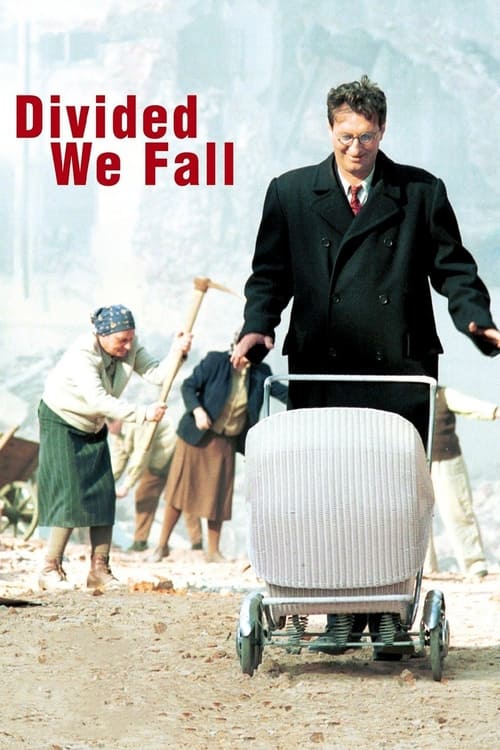
Divided We Fall is a historical drama that explores the tension between personal survival and collective ethical responsibility. While the demographic focus remains traditional, the film uses the Jewish experience to critique the social structure of wartime Czechoslovakia. The narrative structure effectively dismantles power dynamics and systemic oppression. By portraying the state as a criminal entity, the film expands its examination of morality beyond simple heroism. However, the film’s period-specific focus limits its representation of LGBTQ+ identities and maintains a gender imbalance favoring male characters in political resistance roles.
Category Breakdown
The film does not include any LGBTQ+ characters or stories. Its focus is on the survivalist dynamics of the 1940s.
The story emphasizes male characters and their interactions with authority figures. Female characters mostly have domestic roles or secondary positions within the period’s traditional structures.
The film highlights the protection of a Jewish refugee, adding a crucial layer of diversity. This portrayal critiques the uniformity of the occupying force and local collaboration.
The film provides a detailed look at totalitarianism and state corruption. It delves into moral relativism and the collapse of societal order under an oppressive regime.
There are no significant representations of disabilities, either visible or invisible, that shape the narrative or serve as central character arcs.
Present on Screen
Limited or Absent
Official Synopsis
In 1943, a childless couple, the Čížeks, decide to hide a Jewish refugee, David Wiener, the son of Čížek's former employer, in the secret pantry of their apartment. Čížek is aware of the danger into which he has brought his household and his neighbours, but he takes helping his fellow man in need for granted. But at the same time, as a largely unheroic hero, he is dying of fear. His personal situation is greatly complicated by the approaching end of the war, when he faces danger from both the Germans and his "honest" fellow Czechs...
2002
2024
2001

1965
1968
1999
1997
2025
No reviews yet. Be the first to share your thoughts on this movie!
Use the rating form above to leave a star rating and optional review.