
Deadly Impact
1984
No user ratings available yet
Representation score: 1.1 out of 10
Representation Score
Good
1976
Director
Sadao Nakajima
Runtime
78 minutes
Average Rating
No ratings yetNew Showbiz Analysis
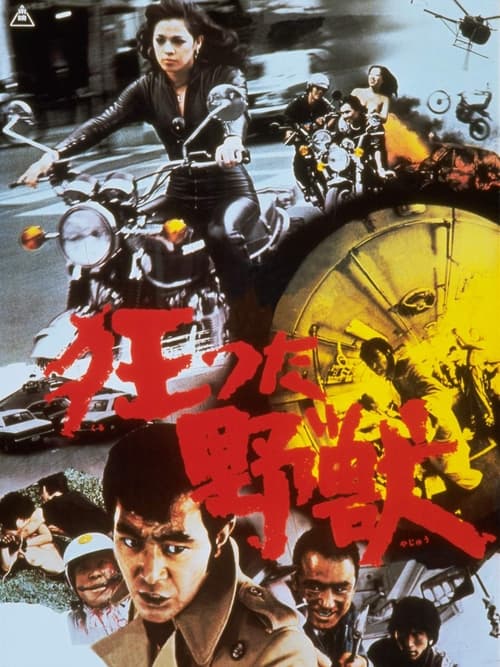
A Savage Beast Goes Mad offers a gritty character study that prioritizes systemic critique over broad characters who reflect more than one aspect of diversity. While it lacks diversity in gender and sexual orientation, it succeeds in providing a nuanced look at how institutional rigidity impacts individuals with physical impairments. The film's strength lies in its refusal to treat disability as a cliché. Instead, it uses the protagonist's visual impairment as the primary catalyst for his descent into crime, highlighting the social exclusion caused by corporate exclusion. However, the film remains limited by its narrow focus. The cast is culturally homogeneous, and the narrative follows a conventional masculine trajectory, missing opportunities for broader social complexity.
Category Breakdown
The film does not include any explicit LGBTQ+ characters or explore non-straight relationships. The narrative focuses solely on the protagonist's struggles with disability and economic survival.
The story follows a traditional masculine arc of crisis and criminal rebellion. There are no female characters with significant roles or the subversion of gender hierarchies.
As a 1976 Japanese production, the film features a culturally homogeneous cast. It does not blend diverse ethnic identities or deconstruct casting norms.
The film disrupts social stability by framing corporate structures as punitive. It presents theft as a survival response to institutional callousness and systemic indifference.
The narrative centers on a protagonist with a visual impairment. The film explores the systemic consequences of his condition rather than using it as a mere plot device.
Present on Screen
Limited or Absent
Official Synopsis
Test driver Hayami loses control of his car and rolls over. His company then learns that he has kept secret that he is visually impaired, and he is fired. Without the prospect of returning to his old job he makes a plan to rob several jewelry stores. A few days later, Hayami escapes with stolen goods worth 80 million yen in a violin case on a Kyoto city bus. A wild chase ensues.
1984

1974
1965
2004

1964

1966
1974
1971
No reviews yet. Be the first to share your thoughts on this movie!
Use the rating form above to leave a star rating and optional review.