
Coffin from Hong Kong
1964
No user ratings available yet
Representation score: 2.3 out of 10
Representation Score
Limited
1965
Director
Manfred R. Köhler
Runtime
102 minutes
Average Rating
No ratings yetNew Showbiz Analysis
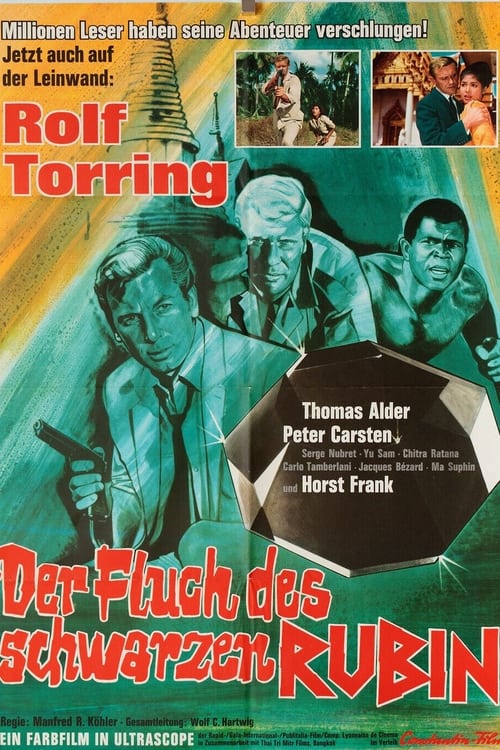
Thirteen Days to Die is a conventional 1965 action-drama that adheres to the genre clichés of its era. The narrative centers on a male protagonist and a supporting female assistant, following traditional gender roles. While the Bangkok setting introduces non-Western elements, the film appears to operate within a Westernized crime structure. The focus remains on property protection and individual ability to act rather than challenging social or cultural norms. Ultimately, the film lacks depth in representing diverse identities and disrupts traditional hierarchies, resulting in a representation typical of mid-century crime cinema.
Category Breakdown
The film does not include visible LGBTQ+ identities or same-sex intimacy. It follows a traditional detective framework that emphasizes straight relationships.
Detective Torring leads the investigation while Chitra assists, maintaining traditional gender roles.
The Bangkok setting introduces a non-Western backdrop, but it is unclear if local characters have significant roles or are just part of the scenery.
The plot revolves around protecting a valuable ruby, focusing on restoring order without critiquing broader societal norms.
No characters with visible or invisible disabilities are mentioned. The story focuses on procedural elements of theft and attempted murder.
Present on Screen
Limited or Absent
Official Synopsis
Detective Rolf Torring is tasked with finding out who stole a valuable ruby from a Bangkok museum. But as soon as he arrives, an attempt is made on his life. It seems that someone wants to prevent the case from being solved by any means necessary. Only Chitra, the museum director's assistant, supports Torring.
1964

1971
1958

1966

1966

1964

1969

1965
No reviews yet. Be the first to share your thoughts on this movie!
Use the rating form above to leave a star rating and optional review.