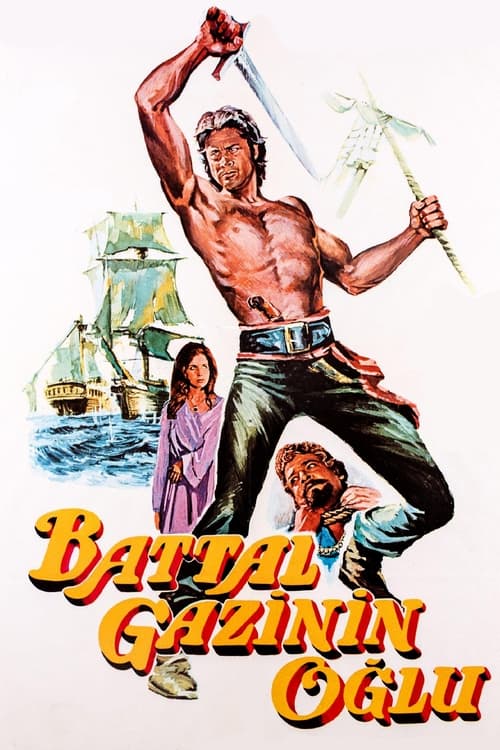
Battal Gazi'nin Oğlu
1974
No user ratings available yet
Diversity score: 2.7 out of 10
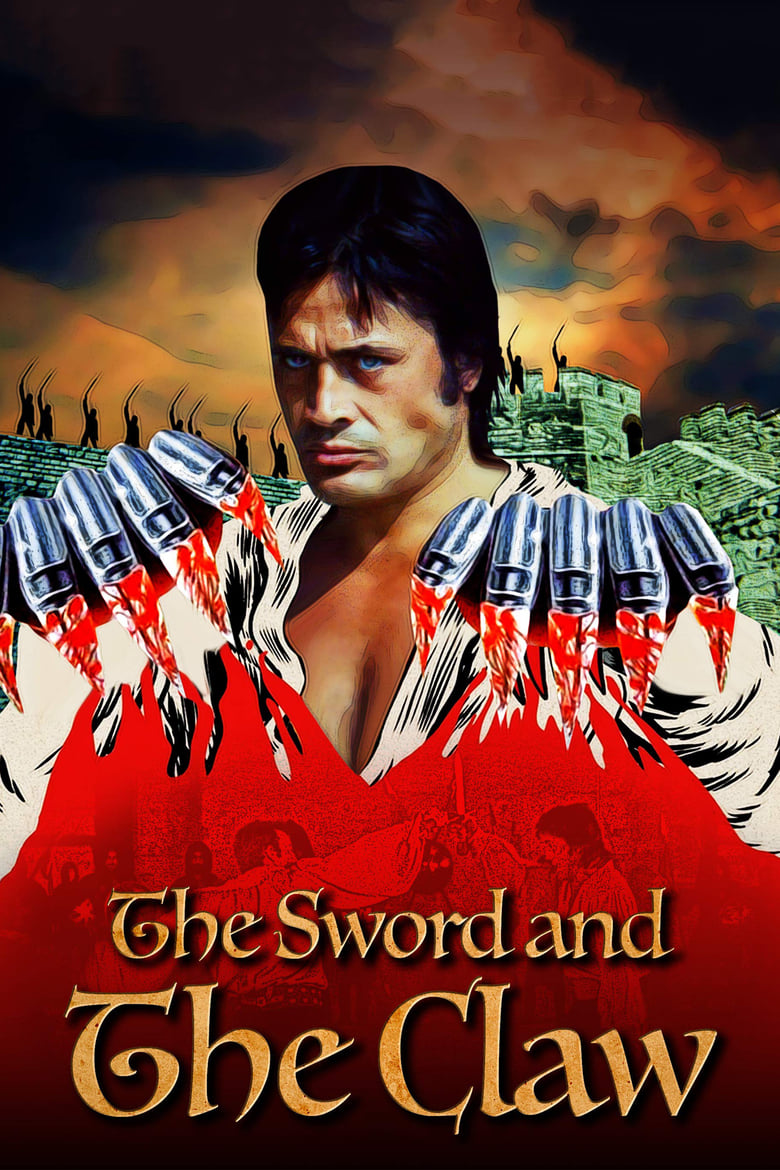
1975
Not RatedDirector
Natuk Baytan
Runtime
84 minutes
Average Rating
No ratings yetSynopsis
When the king is murdered, his baby son and heir is hidden in the forest where he is abducted and raised by a pride of lions. As an adult he uses his beastly strength and claw-like hands to take revenge against the new king and his armies.
Overall Score
Minimal
Category Breakdown
LGBTQ+ Representation
The film lacks any evidence of LGBTQ+ characters or narratives. It adheres strictly to traditional genre tropes focused on lineage and vengeance.
Gender Representation
The story centers on a male heir and male-dominated conflicts. It follows a patriarchal structure where power is contested through physical strength and bloodlines.
Racial & Ethnic Diversity
As a 1975 Turkish production, the cast appears culturally homogeneous. The protagonist's outsider status is framed through primal nature rather than ethnic diversity.
Religious & Cultural Diversity
The narrative utilizes a classic hero's journey within a mythic setting. It reinforces monarchical legitimacy and traditional succession rather than critiquing institutional norms.
Disability Representation
The protagonist's claw-like hands are treated as combat tools rather than a disability. There is no nuanced portrayal of physical difference beyond functional utility.
Strengths
Areas for Improvement
AI Analysis
Lionman is a traditional action-adventure film that prioritizes physical spectacle and primal archetypes over social complexity. The narrative relies on established tropes of vengeance and royal succession, offering a narrow view of identity. The film operates within a highly conventional framework. It focuses on a male-centric struggle for power and lacks representation for LGBTQ+ identities or diverse ethnic backgrounds, reflecting the regional filmmaking norms of its era. Ultimately, the work functions as a mythic tale of individualistic struggle. It reinforces historical power structures and patriarchal lineages rather than exploring intersectional identities or subverting systemic norms.
1974
1975

1973

1973
No reviews yet. Be the first to share your thoughts on this movie!
Use the rating form above to leave a star rating and optional review.