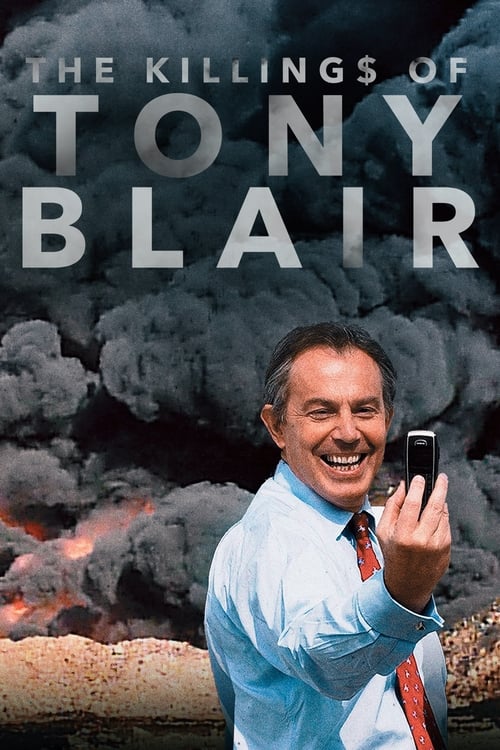
The Killing$ of Tony Blair
2016
No user ratings available yet
Diversity score: 6.7 out of 10

2017
TV-PGDirector
Bobak Kalhor
Runtime
85 minutes
Average Rating
No ratings yetSynopsis
On January 16, 1979, the then Shah of Iran, left Iran commencing what became a 19-month odyssey to exile in Egypt, Morocco, Bahamas, Mexico, US, Panama, and back to Egypt again where he passed away. His death had profound consequences for the future of the middle east and the world, yet the untold medical story of the late Shah of Iran has to date remained a puzzling mystery. This documentary leads viewers to the main causes of the Iranian revolution, pursuant hostage crisis, and the state of relations between the U.S. and Iran.
Overall Score
Fair
Category Breakdown
LGBTQ+ Representation
The film focuses on historical political figures and religious movements. There is no discernible presence of LGBTQ+ characters or narratives within the archival framework.
Gender Representation
The narrative depicts the patriarchal structure of the Pahlavi state. While Empress Farah Pahlavi is a central figure, her role is analyzed within the context of royal domesticity.
Racial & Ethnic Diversity
The documentary captures the diverse socio-political identities of the Iranian populace. Archival footage moves beyond the ruling elite to include broader, traditional segments of society.
Religious & Cultural Diversity
The film explores the tension between secular Westernization and rising religious institutions. It critiques Western hegemony and the Shah's ties to US and UK interests.
Disability Representation
The Shah's medical decline is a central plot point, but no characters are portrayed through the lens of disability or neurodivergence.
Strengths
Areas for Improvement
AI Analysis
Bobak Kalhor’s documentary provides a complex historical autopsy of the Pahlavi dynasty's collapse. It excels by challenging Western-centric narratives, focusing instead on the friction between modernization and religious tradition. The film effectively uses archival footage to represent the diverse Iranian people caught in systemic upheaval. However, the film remains anchored in traditional hierarchies. The gender representation is limited by a focus on patriarchal structures, and the lack of LGBTQ+ narratives reflects the specific historical and political scope of the subject matter.
2016

2002
2025

2020
2006
2010
2018
2009
2007
1999
2020
2001
No reviews yet. Be the first to share your thoughts on this movie!
Use the rating form above to leave a star rating and optional review.