
The Stolen Children
1992
No user ratings available yet
Representation score: 4.7 out of 10
Representation Score
Limited
2019
Director
Guido Lombardi
Runtime
105 minutes
Average Rating
No ratings yetNew Showbiz Analysis
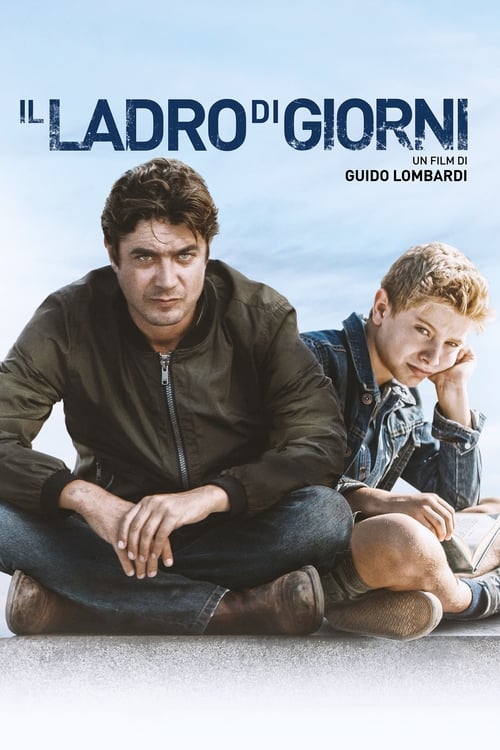
Stolen Days is a localized character study focused on the intricate bond between a father and his son. The narrative structure emphasizes a traditional, male-driven perspective, highlighting paternal redemption and familial duties within a specific Italian social context. The film adheres to conventional social structures, focusing on individual ability to act and masculine dynamics. It lacks the complexity and disruption of traditional social hierarchies needed for a more progressive representation. Overall, the work is a standard dramatic exploration of morality and family, maintaining a homogeneous cultural and gendered framework.
Category Breakdown
The film does not include any explicit references to LGBTQ+ characters or non-straight relationships. The plot centers around a traditional father-son relationship.
Male characters dominate the narrative, particularly the father and son, with minimal involvement from female characters. Female characters have little influence on the plot or challenging traditional hierarchies.
The story unfolds within a culturally homogeneous setting typical of regional Italian dramas. There is no indication of a diverse cast or non-Anglo-Saxon majority.
The film delves into personal morality and the tension between individuals and state institutions. It emphasizes personal redemption rather than broader socio-political critiques.
There is no evidence of characters with physical or neurodivergent disabilities in the film.
Present on Screen
Limited or Absent
Official Synopsis
Salvo was five when his father Vincenzo was arrested, practically before his eyes. Seven years later Salvo lives with his uncles and his cousin a controlled and peaceful existence in the Turin area, but his father returns and claims his son for four days. Vincenzo has to carry an important load to Bari and brings Salvo (nomen est omen) with him as insurance: a child is better than a gun, he says, because his presence in the event of a possible police detention can have a distracting effect . This however is not the only reason why Vincenzo wants Salvo with him, and the "Salv-atore" child will prove to be a potential vehicle of redemption for that messed up father, but not entirely devoid of feelings and attentions.
1992
2014

2021
2015

2014
1992

2017

2020
No reviews yet. Be the first to share your thoughts on this movie!
Use the rating form above to leave a star rating and optional review.