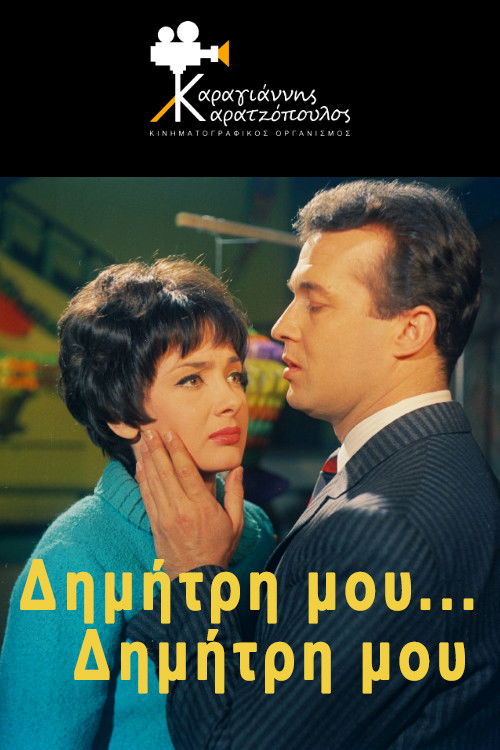
My Dimitri... My Dimitri
1967
No user ratings available yet
Representation score: 2.9 out of 10

Representation Score
Limited
1972
Director
Giannis Dalianidis
Runtime
98 minutes
Average Rating
No ratings yetNew Showbiz Analysis
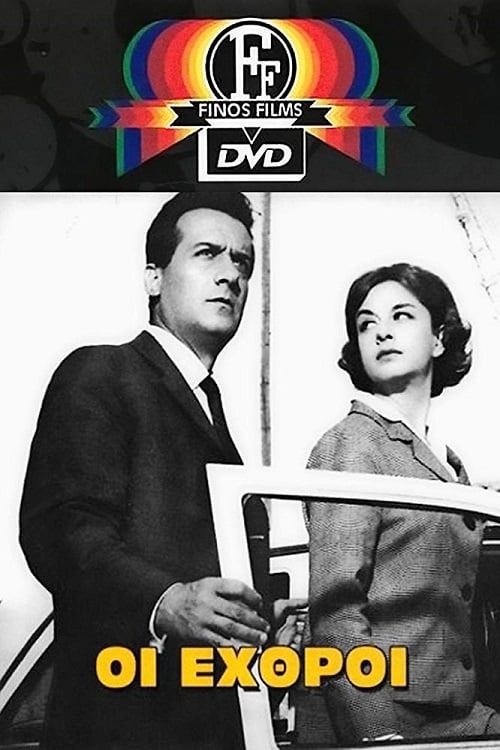
The Enemy of the People is a 1972 Greek drama that aligns with the cinematic conventions of its era. The film does not provide evidence of diverse character perspectives or the disruption of traditional social hierarchies. While the cast includes notable actors, the narrative structure follows traditional storytelling methods. The production context suggests a focus on the social norms of the time, lacking modern inclusive practices. Overall, the film presents a standard dramatic work of its era, with limited indications of contemporary inclusive storytelling techniques.
Category Breakdown
The film does not depict any characters with non-binary gender identities or same-sex relationships.
The cast includes well-known actresses like Efi Roditi and Louiza Podimata, but the film’s approach to gender roles is not fully examined.
The film likely reflects the predominantly Greek population of the time, with no evidence of racially diverse casting.
The drama may explore social conflicts, but there is no confirmed presence of secular or anti-Western themes. It adheres to traditional moral standards.
There is no information about the portrayal of physical disabilities or neurodivergence in this film.
Present on Screen
Limited or Absent
1967

1971

2005

1961
1962
1937
1972
1965
No reviews yet. Be the first to share your thoughts on this movie!
Use the rating form above to leave a star rating and optional review.