
The Legend of Wolf Mountain
1992
No user ratings available yet
Representation score: 2.0 out of 10
Representation Score
Limited
2009
PGDirector
Jim Wynorski
Runtime
84 minutes
Average Rating
No ratings yetNew Showbiz Analysis
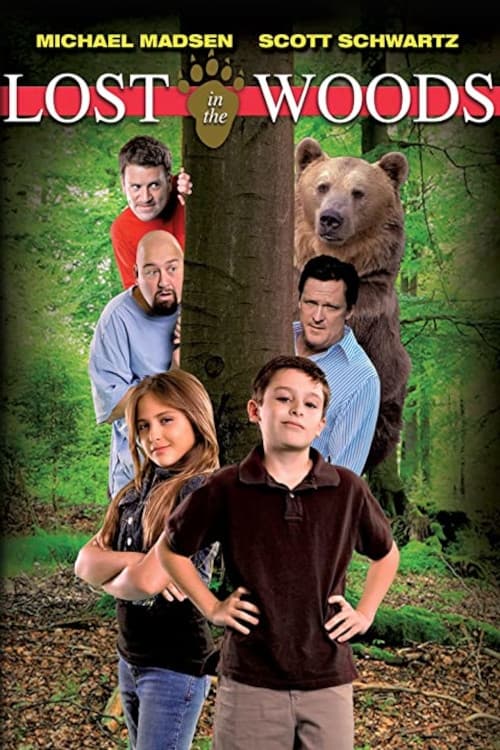
Lost in the Woods is a conventional genre piece that prioritizes established adventure clichés over social complexity. The narrative architecture relies on a traditional conflict-resolution model typical of late 2000s direct-to-video cinema. The film lacks intentionality regarding the way different parts of someone's identity overlap. It functions primarily as a standard family-adventure story where characters fulfill predictable roles within a moral binary of good versus evil. Ultimately, the production adheres to standard cinematic conventions, offering little to disrupt traditional social hierarchies or provide diverse perspectives.
Category Breakdown
The film does not include any LGBTQ+ characters or narratives that challenge the assumption that everyone is straight. It follows a conventional adventure structure focused on a traditional family unit.
Chelsea is a central figure, but her role as a kidnapping target makes her a passive subject. The film does not challenge traditional gender hierarchies.
The narrative relies on standard gangster clichés suggesting a homogeneous cast. There is no indication of intentional multiculturalism or diverse casting.
The story adheres to Western adventure clichés and a simple moral binary. It focuses on protecting the family unit rather than exploring complex cultural themes.
There is no information regarding the inclusion of characters with physical, sensory, or neurodivergent disabilities.
Present on Screen
Limited or Absent
Official Synopsis
During an excursion, the two children Tim and Chelsea get lost in the forest. They soon find out that they are being followed by three gangsters led by the treacherous Stuart Bunka who want to kidnap Chelsea for a large ransom ...
1992

1994
1996
1970
2018
2015
1997
1996
No reviews yet. Be the first to share your thoughts on this movie!
Use the rating form above to leave a star rating and optional review.