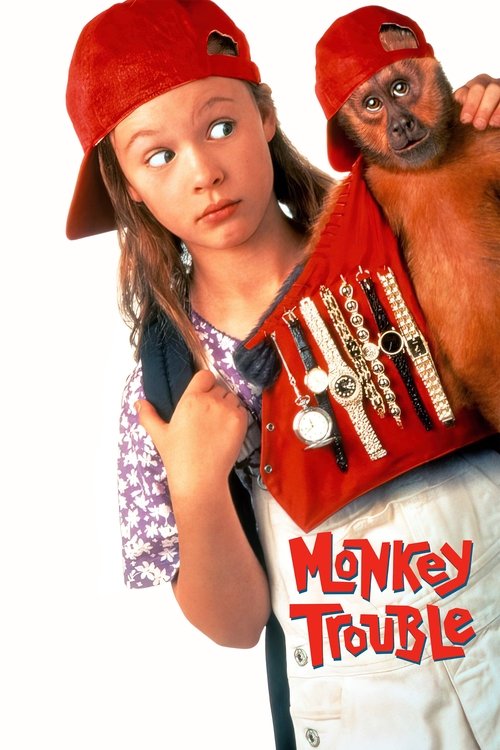
Monkey Trouble
1994
No user ratings available yet
Representation score: 0.8 out of 10
Representation Score
Limited
1994
PGDirector
Patrick Read Johnson
Runtime
99 minutes
Average Rating
No ratings yetNew Showbiz Analysis
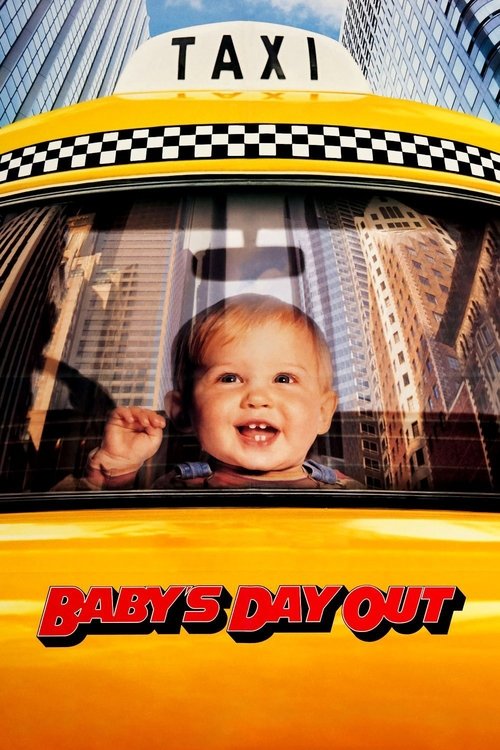
Baby's Day Out is a typical slapstick comedy that focuses on genre clichés rather than progressive storytelling. The film maintains a conservative approach to representation, relying on homogeneous casting and conventional social hierarchies. The narrative operates within a traditional Western framework, emphasizing a nuclear family and a binary morality of innocent children versus bumbling criminals. It avoids systemic critiques or perspectives that consider multiple aspects of identity. Ultimately, the film serves as a standard commercial product of its time, using wealth and urban landscapes as mere settings for physical comedy rather than exploring diverse lived experiences.
Category Breakdown
The film follows a traditional storyline that assumes everyone is straight and cisgender, and does not include any LGBTQ+ characters or themes related to non-cisgender identities.
The story relies on traditional roles where women have less control over the plot, focusing instead on the infant and male-coded villains. Female characters play a supporting role rather than driving the action.
The cast and setting are primarily made up of people from similar backgrounds, reflecting a typical Western, middle-to-upper-class demographic. There is no diversity in casting or multicultural representation.
The story emphasizes traditional Western structures, such as the sanctity of the nuclear family. Urban settings serve as mere backdrops for slapstick humor.
The film does not meaningfully represent neurodivergence or physical disabilities. Any physical trauma experienced by antagonists is used as a comedic device rather than a character-driven element.
Present on Screen
Limited or Absent
Official Synopsis
Baby Bink couldn't ask for more: he has adoring (if somewhat sickly-sweet) parents, lives in a huge mansion, and he's just about to appear in the social pages of the paper. Unfortunately, not everyone in the world is as nice as Baby Bink's parents—especially the three enterprising kidnappers who pretend to be photographers from the newspaper. Successfully kidnapping Baby Bink, they have a harder time keeping hold of the rascal, who not only keeps one step ahead of them, but seems to be more than a little bit smarter than the three bumbling criminals.
1994

2018
2006
1998
1996

1988

2009
1990
No reviews yet. Be the first to share your thoughts on this movie!
Use the rating form above to leave a star rating and optional review.