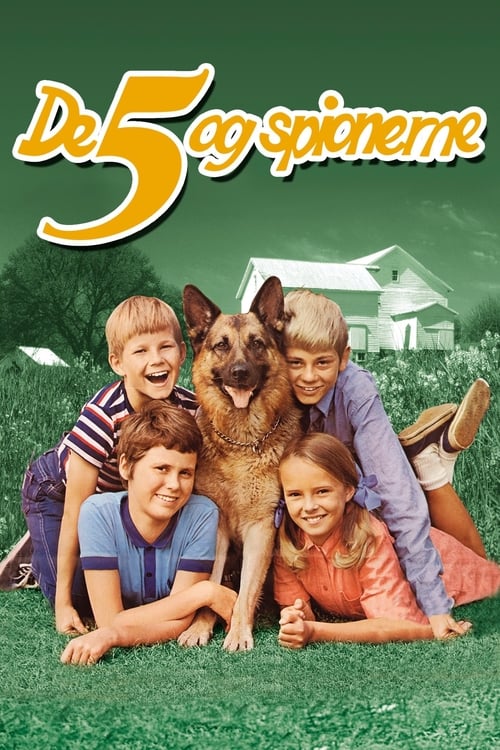
Five and the Spies
1969
No user ratings available yet
Representation score: 1.9 out of 10
Representation Score
Minimal
1970
Director
Katrine Hedman
Runtime
90 minutes
Average Rating
No ratings yetNew Showbiz Analysis
This 1970 adaptation of Enid Blyton's work functions as a standard genre piece that adheres to the storytelling conventions of its time. The narrative structure lacks complexity or intentional disruption of societal norms. The film follows traditional adventure clichés, focusing on a homogeneous demographic. It operates within established social norms rather than offering progressive narrative subversion. Overall, the production reflects the limited diversity typical of 1970s children's media, prioritizing conventional morality and adventure over social critique.
Category Breakdown
The film focuses on a group of children and their dog navigating a crime-drama plot. There is no indication of LGBTQ+ identities or critiques of heterosexuality.
The ensemble includes both male and female protagonists like Anne and Georgina. However, the narrative does not disrupt traditional gender roles or domestic responsibilities.
The story centers on a group of children on a bike trip. There is no mention of a diverse cast to challenge the predominantly white nature of the source material.
The framework emphasizes traditional morality and adventure. The narrative operates within conventional social norms rather than prioritizing secular or anti-Western critiques.
The provided context contains no information regarding characters with visible or invisible disabilities.
Present on Screen
Limited or Absent
Official Synopsis
The four kids, Julian, Dick, Georgina and Anne plus the dog Tim go on a bike-trip without any grownups around, but they are soon followed by a another boy, Richard, who is pursued by kidnappers.
1969
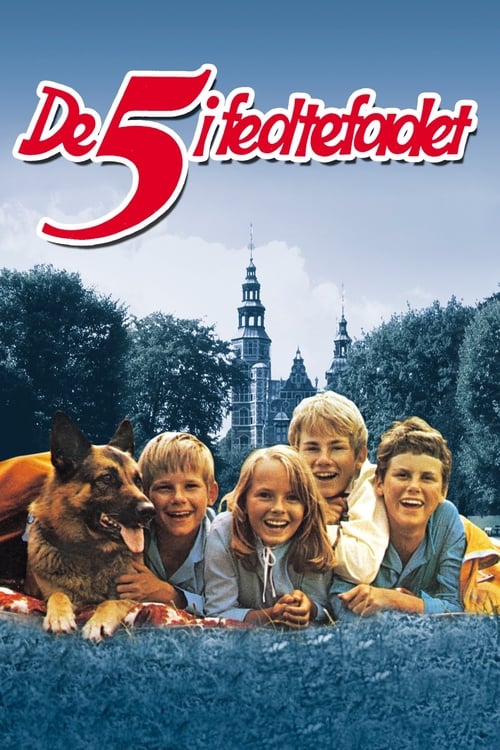
1970

1953

2018
2013
1994
1997
2015
No reviews yet. Be the first to share your thoughts on this movie!
Use the rating form above to leave a star rating and optional review.